Home / Articles
Epicanthoplasty: Bigger Eyes, Beautiful Results
Home / Articles
Epicanthoplasty: Bigger Eyes, Beautiful Results
At SoonPlus Plastic Surgery in Seoul, epicanthoplasty is not just about size. It's about balance, proportion, and enhancing the natural charm of the eyes without losing their cultural or personal identity.
By releasing or adjusting this fold, epicanthoplasty can:
Elongate the inner eye area
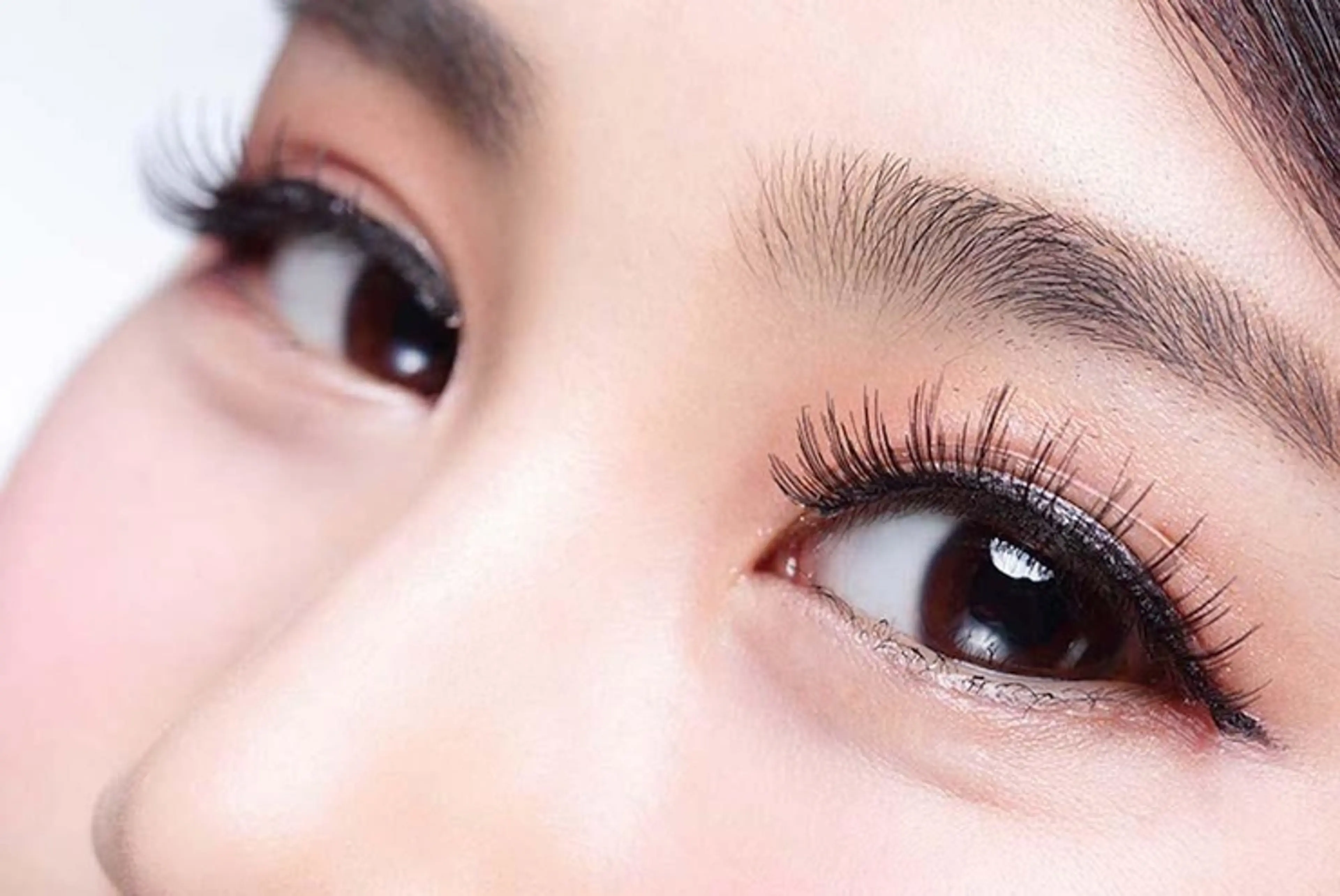
Make the eyes appear larger and more symmetrical
Enhance the effect of double eyelid surgery
Improve spacing between the eyes for better facial balance
Typical reasons patients consider epicanthoplasty:
Their inner eye corners feel "blocked" or shadowed
Previous double eyelid surgery looks incomplete or imbalanced
The eyes appear too close-set
They want a softer, more approachable gaze
And sometimes, it’s not about how the eyes look in the mirror — but how they look in photos, or how makeup applies. A small anatomical barrier like the epicanthal fold can cast shadows or limit cosmetic flexibility.
There isn’t a one-size-fits-all approach. In fact, there are multiple techniques depending on the patient’s skin type, eyelid tension, and aesthetic goals.
This is the most common type, targeting the inner corners of the eyes. It involves adjusting the medial canthal skin fold to elongate the horizontal eye length and reduce the "crowded" look.
Less commonly requested, this technique addresses the outer corners of the eyes. It can make the eyes appear wider and more horizontally aligned.
Sometimes, full release isn’t necessary. A mini version provides just enough correction for subtle elegance — a good option for first-timers or those with mild folds.
Our surgeons, including Dr. SoonDong Kim, are particularly known for revision cases — helping patients who underwent unsatisfactory or overly aggressive surgeries elsewhere. Many patients come to us hoping to restore natural appearance, or to correct visible scarring and asymmetry.
With over 17 years of specialized experience in eyelid procedures, we use advanced micro-incision techniques and scar-concealing methods that promote smoother healing and long-term satisfaction.
This is perhaps the most important phase. We spend time understanding the patient’s goals, assessing anatomical limitations, and using digital simulations when needed. We explain where incisions will be placed, how much of the fold will be released, and what kind of results are realistic.
Typically performed under local anesthesia with sedation
Takes 30 minutes to 1 hour depending on complexity
Incisions are hidden within natural folds or creases
Mild swelling and bruising for 5–7 days
Sutures removed around day 5
Most patients return to daily activities within a week
Final results continue to refine over 1–3 months
We also provide detailed post-op care including LED therapy, scar ointment protocols, and personalized recovery tracking.
In skilled hands, the scar often fades into the crease line or becomes nearly invisible with time. For those prone to hypertrophic scars, we offer preventive treatments and monitoring.
Absolutely. In fact, it’s often recommended for a harmonious result. Popular combinations include:
Combining procedures allows for a unified aesthetic plan, minimizing overall downtime and enhancing proportionality.
Yes, the changes are considered permanent. However, natural aging and skin elasticity may subtly alter the eye area over time. That said, our goal is to create a result that remains elegant and functional for decades.
In rare cases, if a patient desires partial reversal or modification, revision surgery is possible — though it’s far more complex. That’s why choosing an experienced team from the start is critical.
Aesthetic surgery is not just about looks. For many patients, especially those who’ve felt self-conscious about their eyes, this procedure can be empowering. It can bring harmony to their facial features, ease insecurities, and boost confidence in both personal and professional settings.
We’ve had patients tell us, "I finally feel like my eyes reflect my energy inside," or "Now people don’t ask if I’m tired all the time." These are the kinds of transformations that remind us why we do what we do.
If you’ve been wondering whether your eye shape could be more open or balanced, or if you’ve had previous eyelid surgery that didn’t quite achieve the results you hoped for, epicanthoplasty might be a worthwhile consideration.
At SoonPlus Plastic Surgery, we blend both. With an eye for proportion and a commitment to natural outcomes, we help each patient achieve results that feel like a better version of themselves — not a different person altogether.