Home / Articles
Expert Guide to Rhinoplasty Recovery with Dr. SoonDong Kim
Home / Articles
Expert Guide to Rhinoplasty Recovery with Dr. SoonDong Kim
Rhinoplasty, commonly known as a nose job, is a surgical procedure aimed at enhancing both the appearance and function of the nose. It’s one of the most requested cosmetic surgeries globally, offering patients not only improved facial harmony but also enhanced self-confidence. However, the recovery process plays a critical role in achieving long-lasting results that reflect the surgeon’s work.
In this article, we will explore what you can expect at each stage of recovery, offering expert-backed insights, practical tips, and real-world advice to guide you through the process.
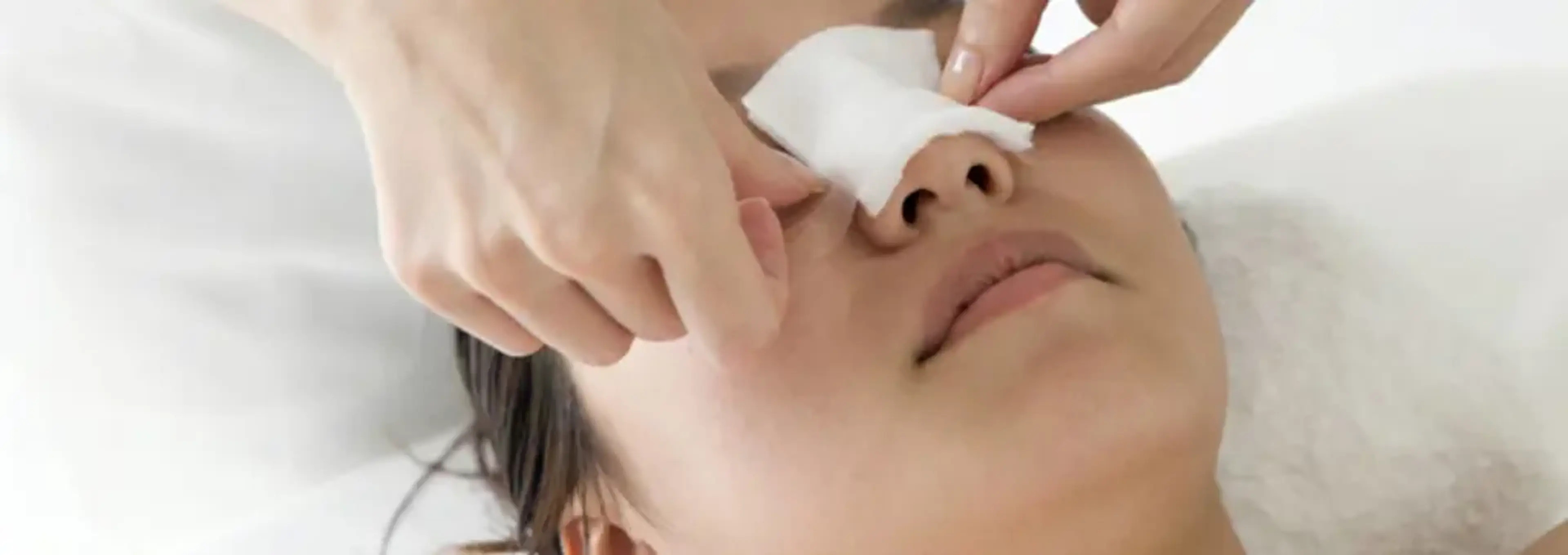
To support the newly reshaped nose, an external splint is placed, and internal packing or splints may be used to stabilize the septum. These will be removed in a few days, though the external splint typically stays on for about a week.
Expert Insight: Keeping the head elevated is one of the most effective ways to reduce swelling. Dr. Kim recommends using two pillows or a recliner chair for optimal positioning while resting. Cold compresses applied to the eyes and cheeks can also reduce swelling but should never be applied directly to the nose.
Pain management is personalized for each patient, with medications prescribed based on individual needs. While discomfort is expected, following the prescribed pain regimen will ensure that symptoms stay manageable.
Important Note: Avoid strenuous activities, lifting, or bending to reduce the risk of increased swelling or bleeding.
Swelling and bruising are natural byproducts of rhinoplasty surgery. Swelling usually peaks within 48 to 72 hours and gradually decreases over the first two weeks. While most swelling subsides during this period, some residual swelling may persist for several months, particularly at the tip of the nose.
Expert Tip: Swelling around the eyes, often resulting in bruising or "black eyes," is common. It changes color from purple to yellow over 10 to 14 days before fully resolving.
To manage swelling and bruising, follow these steps:
Sleep with your head elevated.
Apply cold compresses intermittently during the first 48 hours.
Avoid hot environments like saunas, which can increase blood flow to the face.
While rhinoplasty is not typically associated with severe pain, you may experience mild to moderate discomfort. This is often described as pressure or tightness, particularly around the nose and cheeks.
Adhere strictly to the prescribed medication regimen.
Refrain from taking over-the-counter medications without consulting your surgeon.
Use cold compresses as directed to minimize inflammation.
Rest and avoid any activity that may increase discomfort.
Follow-up visits are an essential part of rhinoplasty recovery. Your first follow-up will take place 5-7 days post-surgery when the external splint is removed. During this visit, your surgeon will evaluate how well your nose is healing, check for signs of infection, and remove any internal packing if used.
The next appointments, typically scheduled over the next few months, will track your healing progress. Your surgeon will assess the reduction of swelling, the symmetry of your nose, and the stability of the new structure.
These visits also provide an opportunity to address concerns such as persistent numbness or aesthetic concerns.
Post-surgery restrictions are crucial to ensure optimal healing and avoid complications. Here are some essential guidelines to follow during the recovery phase:
Sleep Position: Keep your head elevated at a 30 to 45-degree angle to minimize pressure on the healing nose. Avoid sleeping on your side or stomach.
Physical Activity: Refrain from strenuous activities, heavy lifting, and contact sports for 3 to 6 weeks. These activities can increase blood flow, heightening the risk of bleeding and swelling.
Sun Exposure: Prolonged sun exposure can worsen swelling and pigmentation issues. Use sunscreen and protective hats when going outside.
Avoiding Trauma: Be mindful not to touch or bump your nose, as even minor pressure can disrupt the healing process.
Dr. SoonDong Kim and his team emphasize that following these lifestyle restrictions can significantly enhance your recovery and help ensure the final results are as expected.
The delicate tissues inside and around your nose require special care after surgery. Proper aftercare minimizes complications and accelerates healing.
Cleaning: Use saline sprays to keep the nasal passages moist and prevent crusting. Avoid disturbing the surgical site.
Moisturizing: Apply prescribed ointments or creams to promote skin healing around the incision areas.
Avoid Irritants: Stay away from smoking, alcohol, or exposure to environmental pollutants that can interfere with healing.
Medication: Finish any prescribed antibiotics or anti-inflammatory medications to reduce infection risks and control inflammation.
SoonPlus Plastic Surgery offers personalized aftercare kits and detailed instructions to support patients as they heal, ensuring continuous support and optimal results.
Recovery after rhinoplasty isn’t just physical—it’s also emotional. Many patients experience anxiety or frustration as swelling and bruising alter their appearance temporarily. It's common to worry about the final result during the early recovery stages.