Home / Articles
Facelift Consultation: What to Expect and How to Prepare
Home / Articles
Facelift Consultation: What to Expect and How to Prepare
When you sit down with your surgeon, one of the first topics will be what you hope to achieve. Do you want to address jowls, restore a defined jawline, smooth out deep wrinkles, tighten sagging skin on the cheeks and neck — or perhaps all of the above? The surgeon will ask you to describe your concerns, what bothers you about your appearance, and what kind of result you envision.
Many patients find it helpful to bring photographs — this might include recent photos of yourself, older photos when your face looked more youthful, or images of aesthetic results that appeal to you. These visual references can help you communicate clearly and help your surgeon understand your aesthetic ideals.
Open and honest communication during this phase is essential. Sometimes, the issues that bother you may stem from structural changes below the skin — a loss of volume, shifting of fat pads, or weakening of ligaments — so what you expect may need adjustment based on your anatomy.
To safely proceed with a facelift, your surgeon needs a comprehensive picture of your health. During the consultation you’ll be asked about:
Your current and past medical conditions, including chronic diseases, allergies, and prior surgeries
Medications, vitamins or herbal supplements you use regularly
Lifestyle habits such as smoking, alcohol use, diet, and exercise
After discussing goals and medical history, your surgeon will perform a detailed physical examination. This includes assessing:
Skin elasticity and quality
Facial bone structure and symmetry
Muscle tone, soft tissue volume, and how fat is distributed
Jawline, neck, and how these integrate with the rest of your face
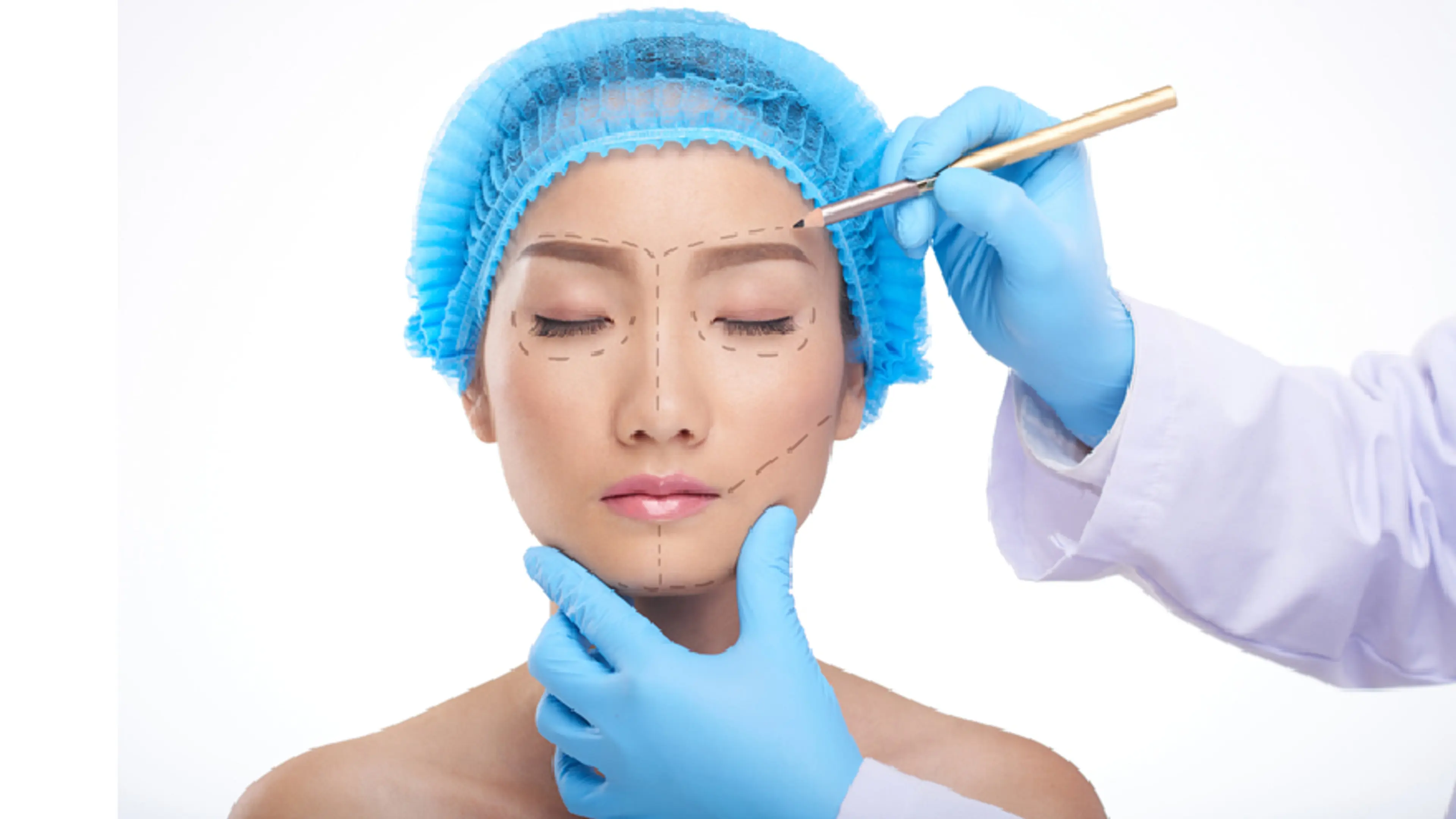
They may take photographs and measurements from multiple angles. These visuals are not only a medical reference but also a planning tool for simulating outcomes and determining where incisions will be placed. This evaluation helps decide what type of facelift (or combination of procedures) might suit you best: a full traditional facelift, a “mini” facelift, a neck lift, or even non-surgical options depending on your condition and goals.
For example, a patient in their early 40s with mild skin laxity may benefit from a limited-scope SMAS facelift combined with fat repositioning, rather than a more extensive lift. Our surgeons are highly trained in facial analysis and often discuss nuances like skin thickness, skin mobility, and vector of lift — details that can dramatically influence results.
Once the surgeon understands your anatomy and desires, they’ll explain which surgical techniques are most suitable — and why. This includes:
Where incisions will be placed, and how scars will be hidden (often around the ears, along natural creases)
What layers will be adjusted (skin, SMAS, deeper tissues) and whether accompanying procedures (like neck lift or fat repositioning) might enhance results
The likely healing timeline, including swelling, bruising, scar maturation, and when to expect more natural-looking results
Potential risks and complications — from bleeding and infection, to issues with anesthesia or delayed healing — and how these are minimized
Before your appointment, take time to think deeply about why you want a facelift and what you hope to achieve. Are you seeking subtle rejuvenation, a more dramatic transformation, or simply a refreshed and natural version of yourself?
Write down a few concrete goals — maybe “I want a sharper jawline,” or “I want to smooth deep nasolabial folds.” Having this clarity helps your surgeon evaluate which techniques will best match your vision. This self-reflection also helps you, emotionally and mentally, settle into realistic expectations.
Bringing reference photos is especially helpful. Whether it’s a younger version of you or results from another patient that match your tastes — good visual examples guide better communication.
Prepare a complete list of:
All medications, vitamins, supplements you currently take (even if “harmless”)
Any allergies, chronic diseases, past surgeries, or prior cosmetic treatments
Lifestyle habits — smoking, drinking, exercise frequency, sleep patterns
This ensures your surgeon can assess your surgical risk, plan accordingly, and anticipate potential complications. It also helps avoid surprises on the day of surgery.
It’s very common to feel overwhelmed during a consultation and forget the most important questions. That’s why preparing a question list ahead of time is invaluable. Some important questions include:
What type of facelift technique do you recommend for me — and why?
Can I see before/after photos of patients with similar features?
What will the recovery timeline look like? When will swelling or bruising go away?
What kind of anesthesia will be used? What are the risks?
What are possible complications — and how do you handle them?
How long will results last? What can I do to maintain them?
Bring a list of medications, allergies, past procedures
Bring reference photos or inspiration images
Make sure you know your availability — you may discuss possible surgery dates
If you’re traveling from abroad, consider logistics: who will accompany you, how you’ll manage post-operative care, aftercare plan
Not everyone is automatically ideal for a facelift. During the consultation, your surgeon evaluates your suitability based on factors like:
Overall health and ability to tolerate surgery and anesthesia
Skin quality and elasticity — surgeons need to know whether skin can “re-drape” well after lifting
Realistic expectations — if a patient expects to look 20 years younger or achieve “perfection,” it’s important to reset those expectations with care
Commitment to recovery — healing takes time, and proper pre- and postoperative care is essential for best outcomes
Reflect on what you learned: did the consultation feel informative, respectful, reassuring? Did the surgeon understand your concerns?
Compare options: If you’ve consulted multiple surgeons, review notes, photos, and recommendations side by side
Confirm your readiness physically and mentally — from health status to work/personal schedule, and acceptance of the process
Plan your support and aftercare: arrange for someone to accompany you on the day of surgery and help with meals and light tasks
Many patients think of a consultation as simply a formality before surgery — but it’s much more than that. It’s the moment when your medical history, anatomy, aesthetic goals, and lifestyle converge to form a bespoke surgical plan.
A good consultation:
Builds trust and ensures surgeon and patient align on expectations
Identifies risks early and helps plan around them
Clarifies not just what’s possible, but what’s appropriate
Sets the foundation for a smooth recovery — logistics, aftercare, support, and realistic timeline are all addressed
In short: the consultation is where the “sculpture” process begins. Without a careful, honest, and comprehensive consultation, even a technically perfect surgery may yield results that feel “off.”