Home / Articles
Facial Lifting Surgery: Expert Tips for Safe & Beautiful Results
Home / Articles
Facial Lifting Surgery: Expert Tips for Safe & Beautiful Results
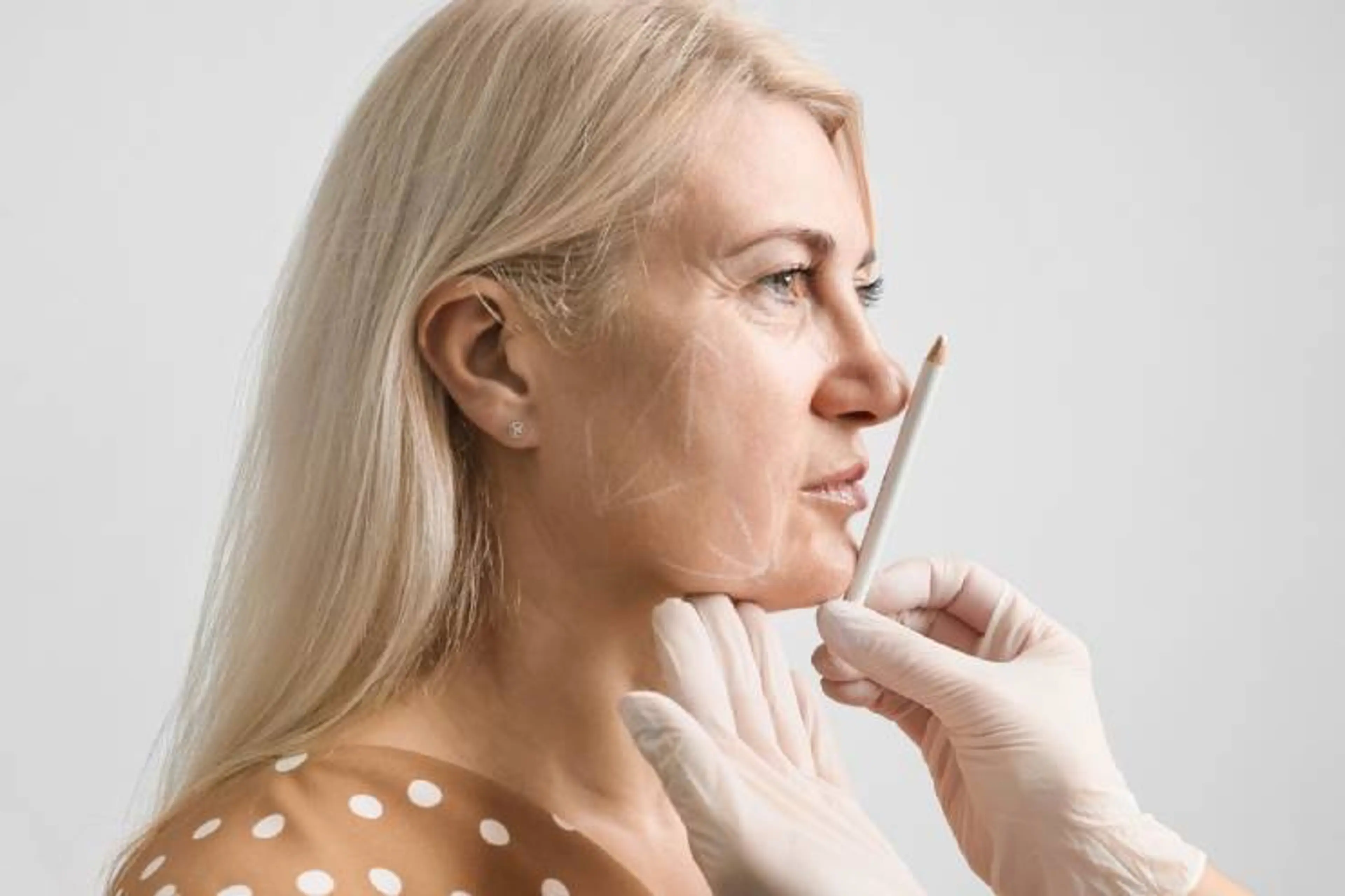
Facial lifting surgery, commonly referred to as a facelift, has grown significantly in popularity, as more individuals seek ways to counteract the visible effects of aging. This procedure is designed to tighten sagging skin, smooth wrinkles, and enhance the overall structure of the face, offering a rejuvenated, youthful appearance. The demand for facial rejuvenation procedures continues to rise globally, thanks to advancements in surgical methods and an increasing confidence in the results they deliver.
While facelift surgery offers a powerful solution for restoring youthfulness, it also comes with potential risks and complications. This article will provide expert advice to help you navigate the process and avoid common mistakes that can affect your results and safety.
Facial lifting surgery is not a one-size-fits-all solution. The procedure is customized to address each patient’s unique concerns, such as sagging skin, deep wrinkles, or loss of facial volume. The most popular method, the SMAS facelift, targets the underlying muscular layers of the face, ensuring long-lasting results by tightening the deeper tissues beneath the skin. For those seeking a less invasive approach, ultrasound-assisted facelifts provide a gentler method with minimal downtime.
In addition to surgical facelifts, there are non-invasive treatments, such as thread lifts and laser therapies, that are suitable for individuals with more subtle signs of aging. While these options can offer rejuvenating benefits, they may not provide the dramatic results achievable with traditional surgery. A thorough consultation with an experienced surgeon will help determine the most appropriate method for achieving your aesthetic goals.
Hematoma: Blood collection under the skin can occur after surgery, leading to swelling and bruising.
Nerve Injury: In rare cases, nerve damage may cause temporary or permanent facial weakness.
Infection: As with any surgery, there is a risk of infection if proper aftercare is not followed.
Scarring: Though skilled surgeons make efforts to minimize scarring, some degree of visible marks is always a possibility.
One of the most significant pitfalls to avoid is choosing an unqualified or inexperienced surgeon. Given the complexity of the facial anatomy, it’s crucial to select a professional with a proven track record in facial rejuvenation to minimize the risk of complications.
During your consultation, be open about your medical history, current medications, and lifestyle habits. Your surgeon will give personalized recommendations based on these factors, helping you understand how to prepare for the procedure and what to expect during recovery.
Adhering to pre-surgical instructions is essential for reducing complications. For example, smoking can impede healing, and certain medications may need to be adjusted or stopped prior to surgery. Clear communication with your surgeon ensures you're on the right track for optimal healing.
Following your surgery, make sure to follow all aftercare instructions precisely. This includes managing swelling and bruising, keeping your incisions clean, and limiting physical activity. Regular follow-up appointments with your surgeon are essential for monitoring recovery and addressing any concerns that arise.
A successful facelift should restore your youthful appearance while maintaining your natural features. It's important to have realistic expectations regarding the results, and a skilled surgeon will work with you to define achievable goals based on your facial structure and aging patterns.
SoonPlus utilizes the latest advancements in medical technology, including FDA and KFDA-approved ultrasonic lifting equipment. This innovation, combined with their focus on minimally invasive techniques, ensures reduced downtime and increased patient comfort. Their use of the SMAS facelift technique ensures long-lasting, natural-looking results that set them apart from other clinics in the field.
Facial lifting surgery recovery typically follows a gradual timeline, with each individual healing at their own pace. The first few days post-surgery often involve swelling, bruising, and mild discomfort. These symptoms can be managed with prescribed pain medication and rest.
By the second week, swelling and bruising should significantly decrease, and many patients are able to return to light activities. However, it's important to avoid heavy lifting or strenuous exercise to prevent compromising the healing process. Full recovery can take several months, with final results becoming apparent as residual swelling subsides and the tissues settle into their new positions.
Additionally, minimally invasive facelifts, such as thread lifts, offer a quicker recovery with fewer risks, making them ideal for younger patients or those seeking subtle changes. Combining facelift surgery with complementary treatments like Botox, dermal fillers, or laser therapies can further enhance results, offering comprehensive rejuvenation.