Home / Articles
Fat Grafting vs. Fillers: Which is Better for Facial Volume?
Home / Articles
Fat Grafting vs. Fillers: Which is Better for Facial Volume?
If you’re deciding between fat grafting (fat transfer) and fillers for facial volume — especially in the context of aesthetic goals like youthful cheeks, fuller under-eye area, or restored mid-face volume — there is no one-size-fits-all solution. The better choice depends on what you want to achieve, how you live, and how long you want the result to last. Below, we break down the strengths and trade-offs of each approach — and how someone coming to a clinic like SoonPlus might think about the decision.
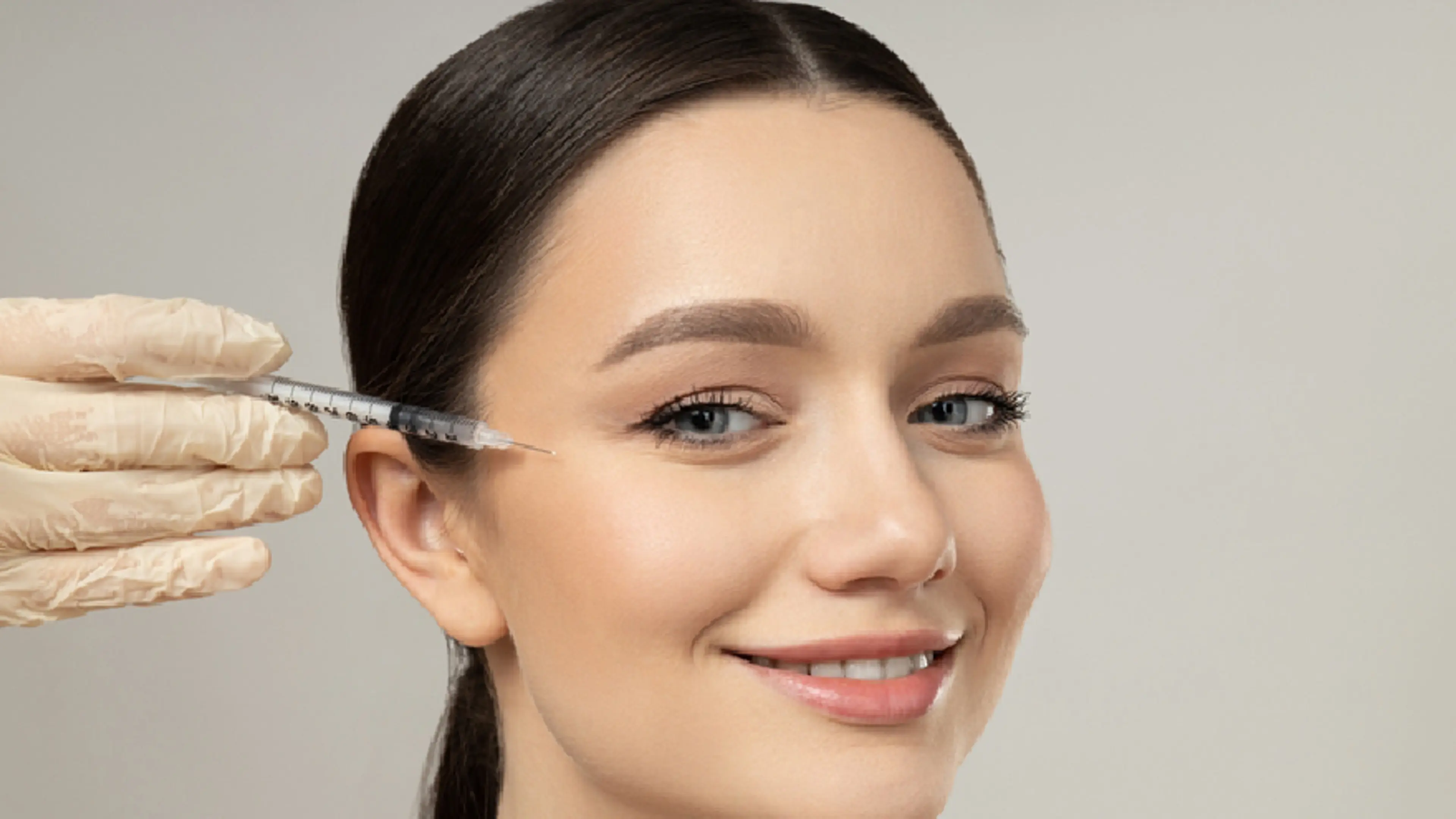
Fillers, by contrast, are synthetic or naturally-derived substances injected directly into specific areas to enhance volume, soften wrinkles, or improve facial contour. Most commonly, we use hyaluronic acid (HA)-based fillers, but other options such as calcium hydroxylapatite and poly-L-lactic acid may be recommended based on the treatment area and desired longevity. Fillers are fast, precise, and minimally invasive, often done in under 30 minutes.
Natural texture and integration: Fat feels soft and integrates seamlessly into facial tissues, making it ideal for patients seeking subtle, natural rejuvenation. Unlike some synthetic fillers, fat doesn’t create an artificial-looking "plumped" effect when applied appropriately.
Volume restoration on a broader scale: When facial aging leads to a general collapse or thinning of multiple regions — such as the temples, cheeks, and under-eyes — fat grafting allows us to rebuild a balanced foundation. Fillers often aren’t cost-effective or technically sufficient for large-scale restoration.
Potential skin improvement: One thing many patients don’t expect is that fat grafting can improve skin quality. This is likely due to the presence of stem cells and growth factors within the transferred fat, which may contribute to better skin texture, elasticity, and tone over time.
Cost-effective long-term: Although the upfront cost of fat grafting is higher, it can be more economical in the long run compared to the regular upkeep that fillers require. Patients who prioritize longevity and natural integration often view it as an investment rather than a temporary fix.
Immediate results with minimal downtime: Filler treatments can be done during a lunch break, and most patients return to work or social activities the same day. While there might be some swelling or bruising, the recovery is significantly easier compared to fat grafting.
Predictable, controllable outcomes: Fillers offer a high degree of precision. Because the material is uniform and comes in pre-measured syringes, we can sculpt the exact contour needed. If a patient is trying aesthetic enhancements for the first time, this predictability can be very reassuring.
Ideal for small-volume and delicate corrections: For issues like tear trough hollows, fine nasolabial lines, or lip volume, fillers are an excellent tool. They allow micro-adjustments without the commitment of a surgical procedure.
Non-invasive and reversible: Unlike fat grafting, HA fillers can be dissolved with an enzyme called hyaluronidase if the results aren't as expected. This flexibility makes them appealing for first-time patients or those with changing aesthetic preferences.
More invasive, with longer recovery: Fat grafting involves both liposuction and reinjection, meaning there is swelling, bruising, and a few days to weeks of downtime. Patients should expect a temporary overfilled appearance before the final result settles in.
Affected by weight changes: Because the transferred fat behaves like normal fat, significant weight gain or loss can impact the appearance. Patients should be at or near a stable weight before undergoing fat grafting.
Temporary nature: While HA fillers can last 6 to 18 months depending on the area and type, they do eventually break down. Maintenance appointments are needed to keep the look consistent, and the cost of repeat treatments adds up.
Limitations in severe volume loss: When facial hollowing is extensive, using fillers alone can lead to overcorrection or an unnatural look. In such cases, a foundation of fat grafting followed by filler refinement is often more effective.
Artificial look if overused: One of the most common concerns patients voice is the fear of looking "overfilled." Overreliance on fillers, especially in the mid-face, can distort facial balance. Subtlety is key, and less is often more.
Cumulative costs: For patients seeking long-term volume restoration, filler treatments can become costly over time. Some patients find that after years of repeated injections, a more permanent option like fat grafting offers better value.
If you’re looking for a more permanent solution to aging-related volume loss and are comfortable with some recovery time, fat grafting is often the better route. It’s especially useful for rebuilding structure in hollow cheeks, temples, and under-eye areas where subtle fullness creates a younger appearance.
If you're seeking immediate results, have mild-to-moderate volume loss, or prefer a less invasive path, fillers are likely the better starting point. They're also excellent for testing how volume changes affect your overall appearance before committing to a surgical approach.
Some patients benefit most from a combination of both. We often use fat grafting to restore a youthful base and then fine-tune details with fillers for precision. This dual approach allows us to maximize both longevity and artistic control.
Your lifestyle also matters. Patients who travel frequently or have busy schedules often prefer fillers due to their minimal downtime. On the other hand, those planning ahead for long-term results — perhaps in anticipation of a major life event — may favor fat grafting as a more comprehensive and lasting transformation.
To be honest, one of the most common questions we hear is, "Will it look natural?" And the answer depends more on the planner than the product. A well-executed filler or grafting treatment should never look obvious. At our clinic, we spend as much time planning and analyzing as we do performing the procedure.