Home / Articles
Healing After Functional Rhinoplasty: What to Expect
Home / Articles
Healing After Functional Rhinoplasty: What to Expect
Healing after functional rhinoplasty isn't just about looking different—it's about breathing better, living more comfortably, and regaining confidence. At SoonPlus Plastic Surgery in Seoul, where precision meets aesthetic harmony, we've guided countless patients through this transformative experience. Whether you're seeking relief from chronic nasal obstruction or correcting structural damage from trauma, understanding what healing looks and feels like is the first step toward informed, empowered recovery.
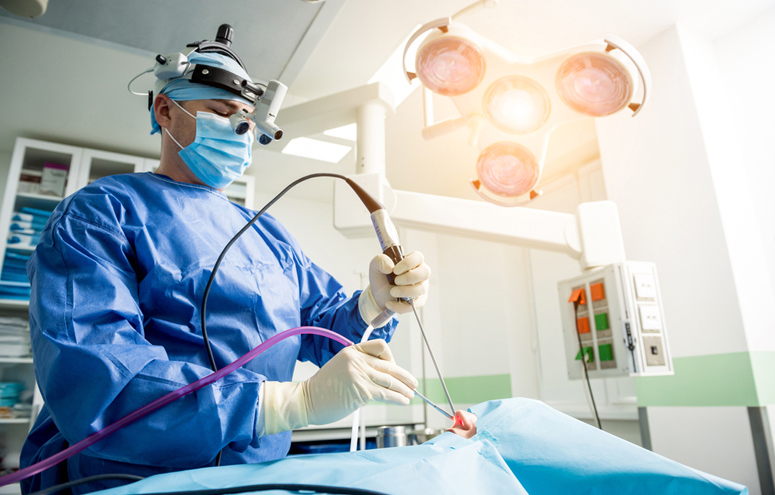
Functional rhinoplasty focuses on restoring or improving the nose's ability to breathe. Unlike cosmetic rhinoplasty, which alters the nose's shape primarily for aesthetic purposes, functional procedures target structural issues—such as a deviated septum, collapsed nasal valves, or enlarged turbinates—that compromise airflow.
But here's the truth: form and function are often intertwined. At SoonPlus, we recognize that even surgeries aimed at improving breathing can affect appearance. That’s why we approach every functional rhinoplasty with an artistic eye, ensuring structural changes support both improved function and facial balance.
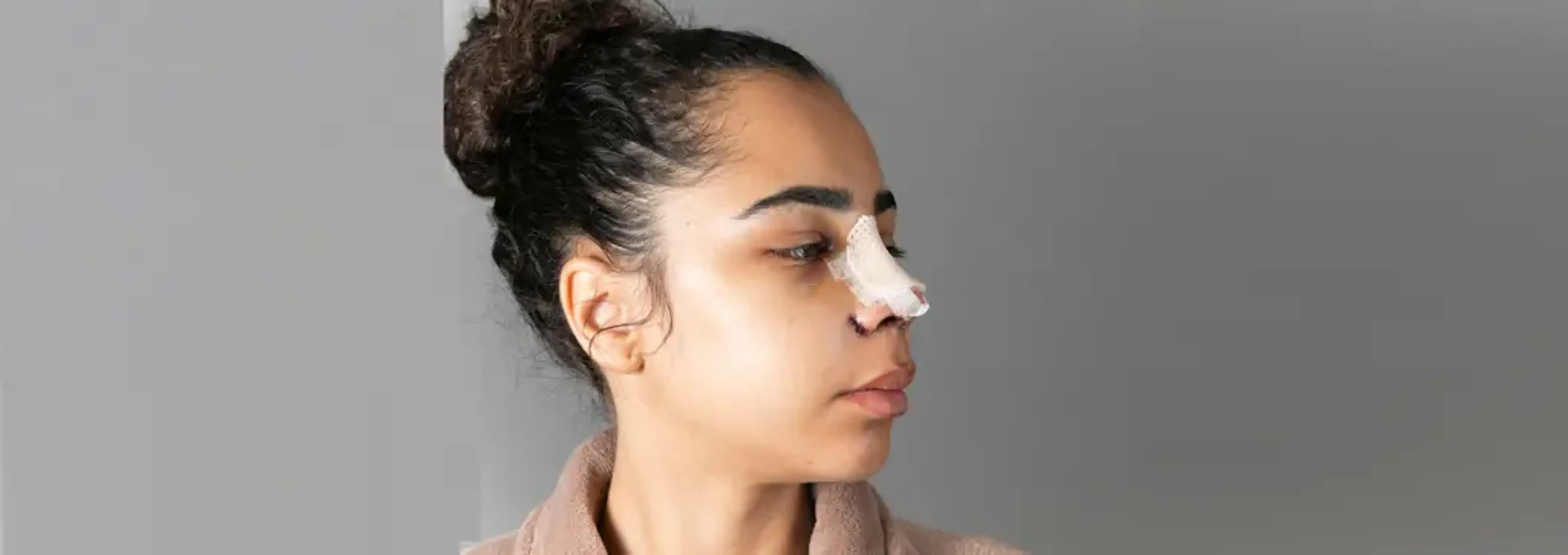
The first week after surgery is the most intensive, both physically and emotionally. Most patients leave the operating room with a nasal splint on the outside of the nose and possibly internal supports or packing, depending on the procedure.
You can expect:
Swelling and bruising around the nose and under the eyes. This usually peaks within the first three days.
Nasal congestion due to internal swelling—this is normal, even if no packing is used.
A feeling of tightness or pressure in the nose.
To be honest, one of the most common concerns we hear during this phase is, "I can't breathe—wasn't this supposed to help?" The answer is yes—but healing takes time. Think of it like renovating your home: during construction, things may feel worse before they improve.
By the end of the second week, external splints are typically removed. Bruising fades noticeably, and many patients feel well enough to return to non-strenuous daily activities.
During this time:
Swelling remains, but it's starting to recede.
You may begin to notice slight improvements in airflow.
It's crucial to avoid blowing your nose—gentle saline rinses help keep things clear.
Emotionally, this week brings hope. Seeing your nose without dressings can be encouraging, but remember: this isn’t the final look. Swelling can mask both cosmetic changes and breathing improvements.
By the third week, many patients feel almost back to normal in terms of daily life. However, the nose is still healing internally.
Expect:
Continued mild swelling, especially in the tip of the nose.
Breathing that improves gradually but isn’t fully optimized yet.
Clearance from your surgeon to resume light exercise.
Patients often ask, “Is this how my nose will always feel?” The answer is no. At this stage, you’re seeing the blueprint—final adjustments are still underway beneath the surface.
This is when the nose begins to stabilize. Most visible swelling has resolved, though subtle internal adjustments continue.
You’ll likely experience:
Significant improvement in nasal airflow.
A more defined nasal shape.
A return to nearly all normal activities, including more intense exercise.
One thing many people don’t realize is how much the nose continues to refine itself over time. Even if you’re thrilled at this point, the best is yet to come.
By the six-month mark, your nose is close to its final form, both functionally and aesthetically.
Here’s what to expect:
Breathing should be markedly better than before surgery.
Any residual swelling is usually imperceptible to others but may still be felt internally.
Final scar tissue softens and internal healing concludes.
Patients often tell us, “I didn’t realize how bad my breathing was until I could finally breathe freely.” That transformation—quiet, personal, and life-enhancing—is what functional rhinoplasty is all about.
At SoonPlus, we don’t just perform surgery—we support healing as a holistic journey. Here’s how we optimize each patient’s recovery:
We also know healing isn’t linear. That’s why we schedule regular follow-ups to monitor your progress and address any concerns, no matter how small they may seem.
Surgical recovery isn’t just physical—it’s deeply emotional. Patients often ride a rollercoaster of feelings: relief, doubt, impatience, excitement. All are valid.
If you’re wondering whether your concerns are normal, you’re not alone. In fact, many of our patients find comfort in hearing that their emotional ups and downs are common. Our role is to walk beside you through them, providing both reassurance and practical support.
While much of healing is biological, some elements are within your control:
Patience is perhaps the hardest—but most rewarding—part of recovery. Trust that your body knows how to heal, and that our team is here every step of the way.
We’re not just surgeons—we’re artisans of breathing and balance. With over 17 years of experience in facial procedures, SoonPlus is trusted for:
When you choose SoonPlus, you choose more than a clinic. You choose a partner in your journey toward better breathing, subtle beauty, and renewed self-confidence.
Healing after functional rhinoplasty is both a process and a promise. It takes time, care, and expertise—but the results can be life-changing. If you’re exploring options for natural, precision-driven nasal surgery, we invite you to schedule a private consultation at SoonPlus Plastic Surgery in Seoul.
Let us help you breathe—and live—more freely.