At SoonPlus Plastic Surgery, we often explain this to patients: aging isn’t just about wrinkles — it’s fundamentally about volume loss. Over time, the soft tissues, fat pads, and bony scaffolding of the face diminish and shift, leading to hollowed cheeks, sunken temples, sharper jawlines, and more prominent folds. Fat grafting (also called autologous fat transfer) offers a powerful way to restore that youthful fullness. Here’s a deeper look at what it is, why it works, and how we perform it — from the perspective of a clinic with over 17 years of experience.
What is facial fat grafting?
what-is-facial-fat-graftingIn essence, facial fat grafting is a three-step process:
Harvesting fat from a donor site (typically the abdomen, flanks, or thighs) using gentle liposuction.
Processing the fat to isolate high-quality, viable cells by removing blood, oils, and damaged tissue.
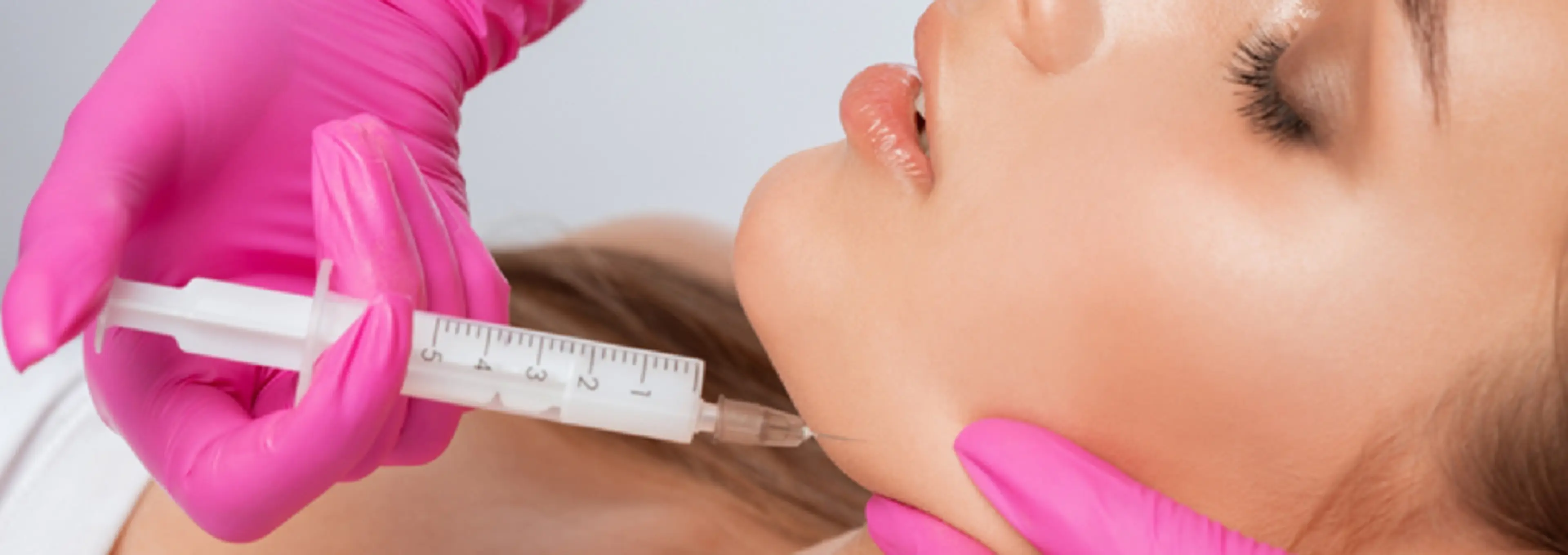
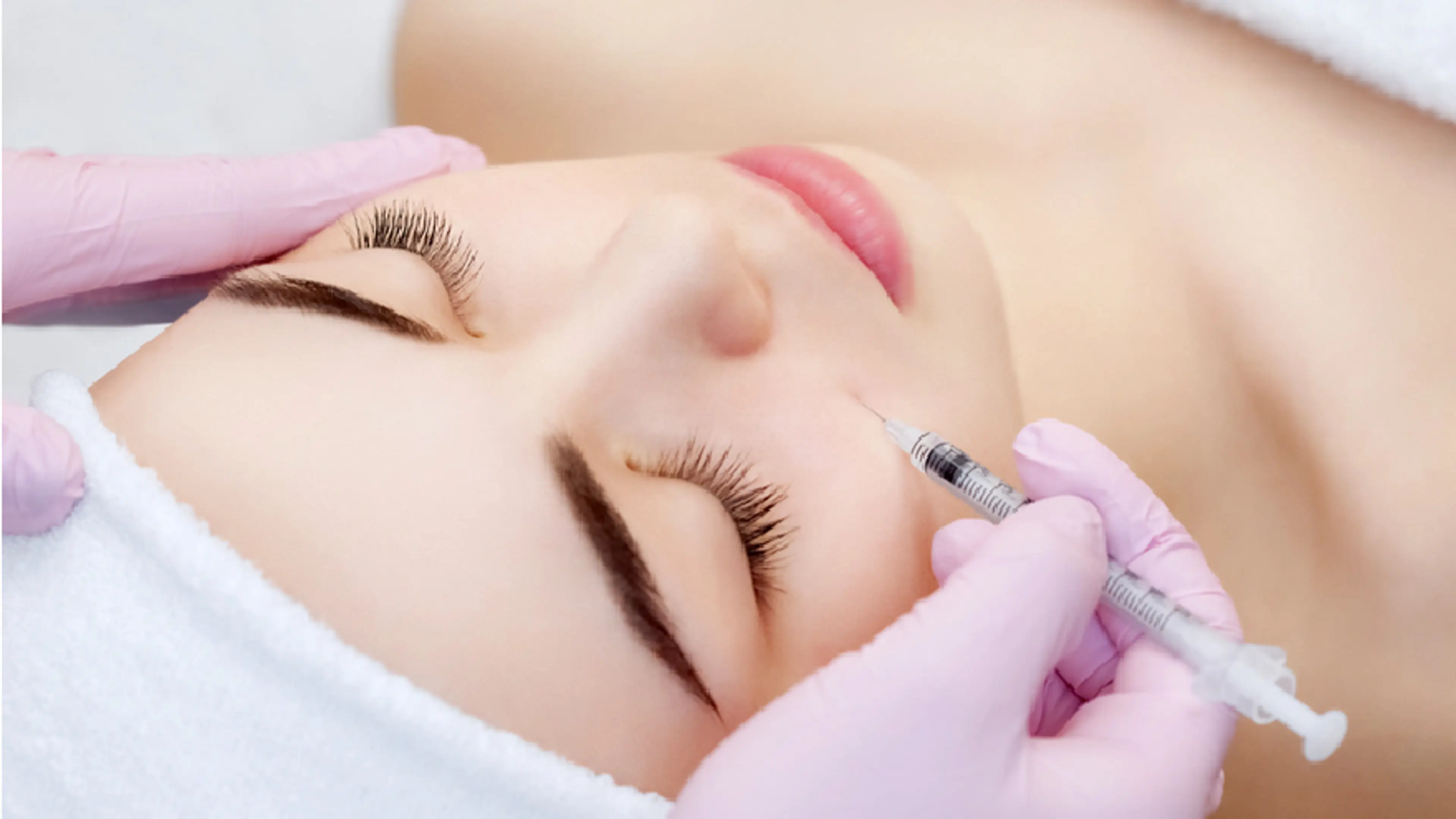
Injecting the purified fat into targeted areas of the face — such as the cheeks, temples, under-eye hollows, and jawline — using tiny, precise micro-droplets.
This isn’t simply "filling hollows". It’s restoring living tissue. What makes fat grafting unique is that we are using your own biological material — which, when handled and placed properly, can re-establish a blood supply and become a permanent part of your facial anatomy.
Patients often ask us how this differs from filler. The key distinction lies in permanence and biological integration. Dermal fillers offer a temporary lift but eventually dissolve. Fat grafting, when performed with precision and technique, becomes part of you — offering a natural, long-lasting result.
Why is volume loss so important in facial aging?
why-is-volume-loss-so-important-in-facial-agingMany people focus on sagging skin and wrinkles, but one of the key drivers of an aged appearance is the loss and redistribution of fat and soft tissue under the skin. Let’s break this down:
With age, mid-face fat pads shrink, and bone resorption occurs, especially around the eyes and cheeks. This weakens the underlying structure.
The skin loses its natural support and elasticity, making the face appear deflated.
Sunken temples, flat cheeks, and deepening lines like the nasolabial folds create a more tired, sometimes harsh appearance.
A useful analogy: imagine a balloon. When fully inflated, it’s smooth and rounded. As air escapes, it becomes wrinkled and collapses inward. This is similar to what happens in the aging face.
By restoring volume in the correct anatomical zones, fat grafting doesn’t just make the face fuller — it rebuilds the natural architecture, lifting and supporting the skin from beneath, softening shadows, and reintroducing youthful contour.
How fat grafting restores youthful volume: the mechanisms
how-fat-grafting-restores-youthful-volume:-the-mechanismsLive tissue integration
live-tissue-integrationTransferred fat is not a filler — it’s living tissue. When carefully placed, a significant portion of grafted fat can develop a new blood supply. At SoonPlus, we use micro-droplet injection techniques to maximize surface area and oxygenation, promoting higher survival rates. Long-term studies suggest 50-70% of grafted fat may survive indefinitely when done correctly.
Regenerative benefits
regenerative-benefitsAdipose tissue isn’t just fat cells. It contains regenerative elements like adipose-derived stem cells and growth factors. These have been shown to:
In practice, this means many patients notice not just improved volume, but healthier, more vibrant skin in the treated areas.
Harmonizing facial proportions
harmonizing-facial-proportionsAt SoonPlus, we treat facial volume like a sculpture. It’s not about “adding fat” — it’s about restoring balance. Asian facial aesthetics often emphasize natural curves and subtle enhancement, especially in the mid-face and under-eye area. We plan grafting to recreate soft transitions between facial zones while preserving your unique features.
Longevity and maintenance
longevity-and-maintenanceFat grafting offers long-term value. Unlike fillers that need repeated sessions, fat grafts that survive can last years. That said, lifestyle plays a role. Significant weight fluctuations or smoking can affect the stability of results. With proper care, most patients enjoy enduring improvement.
Why choose autologous fat grafting over fillers?
why-choose-autologous-fat-grafting-over-fillers
Patients often ask us: should I start with filler or go straight to fat grafting?
Both have their place, but here are the advantages of fat grafting:
Natural origin: Because we use your own tissue, there’s no risk of allergic reaction or rejection.
Soft, authentic results: Fat feels and moves more like your natural facial tissue. The result is subtle, smooth, and expressive.
Larger volume restoration: For patients with more pronounced hollowness (due to aging, weight loss, or prior surgery), fat grafting provides a structural solution that filler cannot match.
Dual benefit: The donor site (abdomen, thighs) is contoured through liposuction, creating aesthetic improvement in more than one area.
Cost-effectiveness over time: Though the upfront cost is higher, fat grafting often eliminates the need for regular filler maintenance sessions.
Still, not every patient is a candidate. We sometimes recommend starting with fillers if a patient wants to test how volume change looks before committing to grafting.
What to expect: procedure, recovery, candidate criteria
what-to-expect:-procedure-recovery-candidate-criteriaOur approach at SoonPlus prioritizes safety, comfort, and customization.
Ideal candidates
ideal-candidatesHave noticeable volume loss (cheeks, temples, under-eyes, jawline)
Are in good health with realistic expectations
Have sufficient donor fat (even slim patients usually have enough)
Are non-smokers or willing to stop during the healing phase
Understand that some fat absorption (20-30%) is normal, and touch-ups may be needed
Procedure overview
procedure-overviewWe begin with a detailed consultation, including facial analysis and 3D imaging to map volume loss.
On the day of surgery, fat is harvested from the donor site using low-pressure liposuction.
The fat is purified through a specialized process to ensure only healthy, viable cells are used.
Using fine cannulas, we inject the fat in small amounts across multiple layers and planes of the face. This allows the fat to settle naturally and integrate with your tissue.
Most procedures are done under sedation or light general anesthesia and are completed within 1.5 to 2 hours.
Recovery and results
recovery-and-resultsSwelling and bruising are common, both at the donor site and face, and usually subside within 1-2 weeks.
Compression garments may be worn on the donor area to support healing.
Most patients return to social activities within 7-10 days.
Results gradually improve over 2-3 months as the fat settles and integrates. We monitor your progress with follow-ups.
Final results can be long-lasting, especially when paired with good skincare and a healthy lifestyle.
Special insight: What experienced surgeons at SoonPlus focus on
special-insight:-what-experienced-surgeons-at-soonplus-focus-onOne thing many people don’t realize is that facial fat grafting is not a one-size-fits-all procedure. The artistry and anatomical knowledge of your surgeon matter just as much as the technique.
Here are a few core principles we follow at SoonPlus:
Respecting facial identity: Our goal is not to change your face, but to restore the natural softness and balance of your younger self.
Micro-injection strategy: Rather than placing large amounts in a single zone, we use a layering technique that distributes small amounts evenly. This improves graft survival and reduces risk of irregularities.
Ethnic and anatomical sensitivity: Especially for our Asian patients and international visitors, we customize fat placement to maintain culturally preferred facial shapes, such as smooth forehead contours and soft V-lines.
Planning for longevity: We map the face not just for current volume loss, but also anticipating how aging will progress. Our fat grafting plan supports long-term facial harmony.
Blending skin and structure: We often combine fat grafting with treatments like laser resurfacing or pigmentation correction to enhance both structure and surface quality.
What to ask and consider before you proceed
what-to-ask-and-consider-before-you-proceed
We always encourage our patients to ask thoughtful questions. Here are a few to consider:
What areas will be targeted and why?
How will fat be processed and injected?
What is the anticipated survival rate of the grafted fat?
What are the risks or side effects I should know about?
Will a touch-up be needed?
Can this be combined with other procedures like eyelid surgery or facial contouring?
How do you plan to achieve a natural, ethnic-appropriate result?
Understanding these answers will help you make an informed decision and feel more confident about your care.
Conclusion
conclusionIn over 17 years of practice, one thing has become clear: restoring facial youthfulness isn’t just about tightening skin. It’s about rebuilding the soft-tissue architecture that gives the face its vitality and natural curves. Fat grafting is one of the most effective, elegant tools we have for doing that.
By using your own living tissue, placed with surgical precision and aesthetic sensitivity, we can restore volume, improve skin quality, and rejuvenate your face in a way that looks entirely natural — as if you simply aged in reverse.
If you’re exploring options for subtle, harmonious enhancement, we invite you to book a consultation with Soon Dong Kim and our team at SoonPlus Plastic Surgery. We’ll evaluate your unique facial structure, listen to your goals, and guide you through the best options for long-lasting, confidence-boosting results.