Home / Articles
How to Achieve a Sculpted Body with Liposuction
Home / Articles
How to Achieve a Sculpted Body with Liposuction
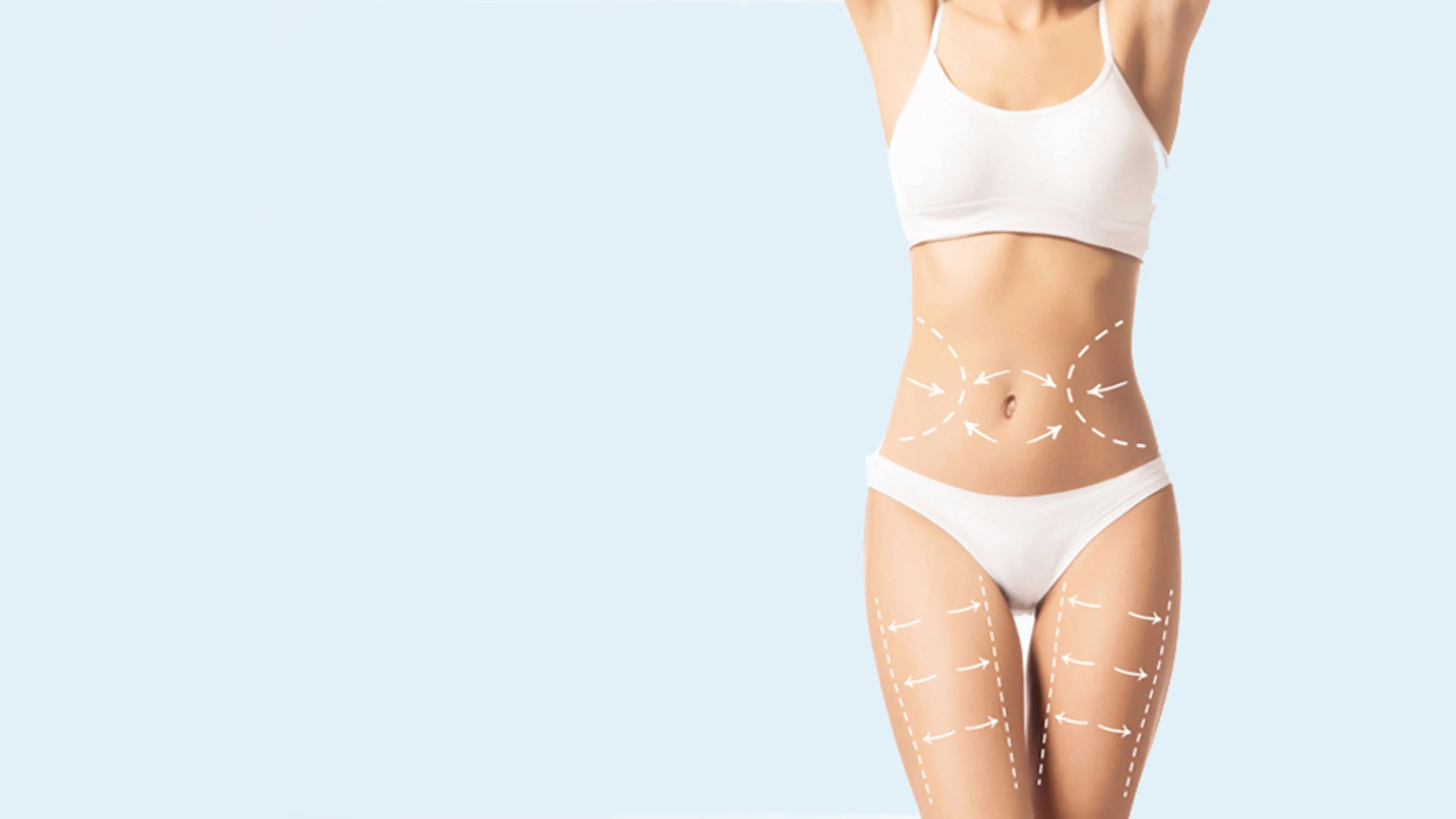
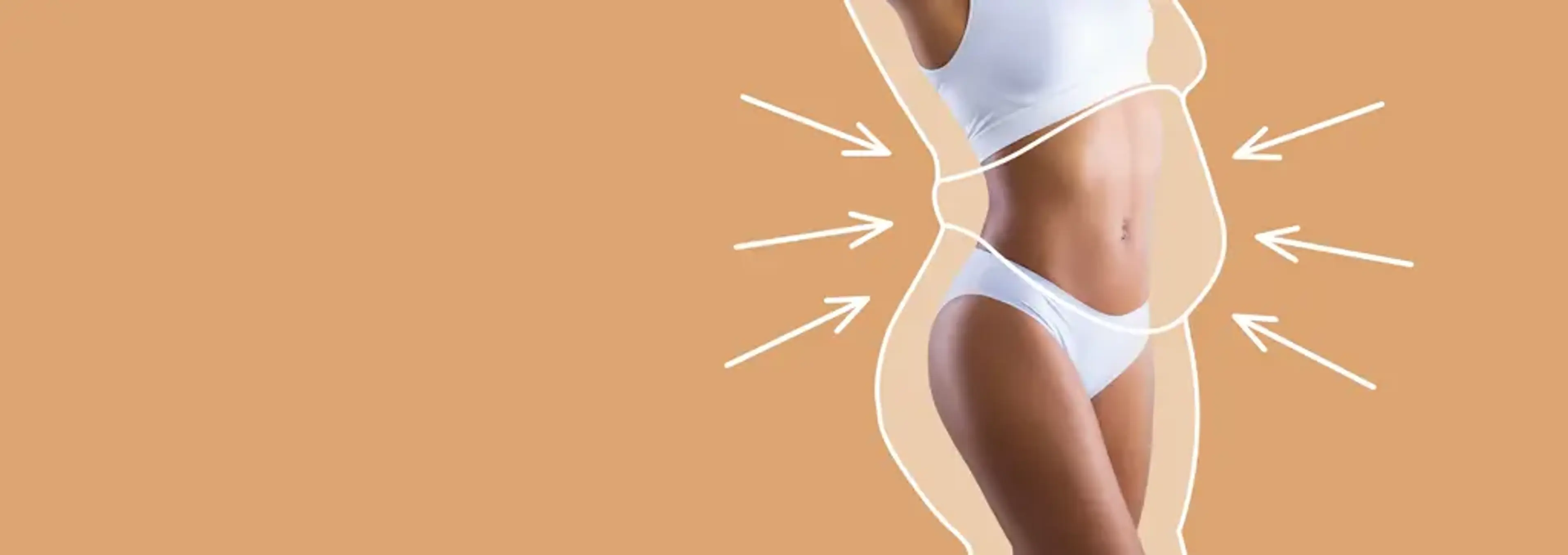
At its core, liposuction is not a weight-loss operation. Instead, it is a body-contouring procedure: it removes stubborn fat deposits in specific areas that don’t respond to diet or exercise. Our patients often come in frustrated by areas like the lower abdomen, flanks, thighs, or under the chin — zones where fat accumulates regardless of fitness level.
Surgeons insert a thin hollow tube (called a cannula) through tiny incisions, using suction to remove fat from targeted zones. Once removed, those fat cells are permanently gone. This reshapes the body and enhances natural contours, but it does not prevent new fat from forming in other areas if weight is regained.
One thing many people don’t realize is that liposuction works best on patients who are already at or near their ideal body weight, with localized pockets of fat. It is not a solution for obesity or a substitute for healthy living. Skin elasticity also plays a key role; patients with firm, resilient skin tend to see smoother, more satisfying outcomes because their skin contracts well over the new contours.
Patients in Korea and across Asia often prioritize balance and subtlety over dramatic reshaping. Many want a slimmer waistline, more defined jaw, or leaner thighs — but without looking overtly "done." Our philosophy aligns with that: liposuction should highlight your natural beauty, not change your identity.
We also see many patients seeking revision liposuction, often because of irregular results from prior procedures done elsewhere. In those cases, personalized assessment is even more critical to address asymmetries, fibrosis, or skin laxity that may have developed.
Liposuction is performed under local or general anesthesia depending on the extent and location of the treatment area. The procedure begins with fluid infiltration to reduce bleeding and make fat easier to extract. Then, through a few small incisions, the cannula is inserted to break up and suction out the fat.
There are several techniques that can be tailored to your body:
Suction-Assisted Liposuction (SAL): The traditional method, using manual suction through a cannula.
Power-Assisted Liposuction (PAL): Uses a vibrating tip to loosen fat more efficiently, often used in areas with dense fat or scar tissue.
Ultrasound-Assisted Liposuction (UAL), including VASER: This uses ultrasonic energy to emulsify fat before removal, offering more precision and sometimes better skin retraction.
High-Definition Liposuction: An advanced approach aimed at sculpting underlying muscle contours, such as abdominal "six-packs" or defined arms.
Recovery after liposuction varies depending on the extent of fat removed and the technique used, but some elements are consistent. Immediately after surgery, you can expect swelling, bruising, and mild soreness. These are normal responses and typically subside in the first few weeks.
Patients are fitted with compression garments that must be worn for several weeks. These garments support healing, help control swelling, and encourage the skin to conform to the new contours. Many patients can return to light activities within a few days, and to work within a week, depending on the treatment area.
Visible results begin to emerge within three to four weeks, but final results may take three to six months as swelling resolves and tissues settle. It’s important to be patient — liposuction is a process, not an instant fix. Some areas, like the abdomen or thighs, may take longer to reveal their final shape due to deeper tissues and more swelling.
For patients undergoing high-definition or VASER liposuction, the initial inflammation may obscure muscular definition at first, but once resolved, the sculpted look becomes more evident. We guide each patient through detailed aftercare and follow-up, because how you heal matters just as much as how the surgery is performed.
One of the most common questions we hear is: "Will the fat come back?" The answer: fat cells removed by liposuction are gone for good. However, remaining fat cells in untreated areas can still expand with weight gain.
To preserve your sculpted shape, you need to maintain a stable, healthy lifestyle. This doesn’t mean perfection, but it does mean consistency: balanced nutrition, regular physical activity, and avoiding large weight fluctuations. Think of liposuction as a foundation — what you build on top of it is up to you.
Liposuction is not just technical surgery — it is aesthetic sculpting. The difference between average and exceptional results often lies in the surgeon’s eye for proportion, balance, and how the body moves.
This is especially important for patients seeking high-definition liposuction or correction of prior procedures. In these cases, subtlety is key. A well-sculpted waist or jawline should not draw attention to the surgery itself but rather enhance overall harmony.
Liposuction, while safe in experienced hands, is still surgery. Like any procedure, it carries potential risks: infection, bleeding, asymmetry, contour irregularities, numbness, or prolonged swelling. Rare complications such as fat embolism can occur, particularly in large-volume cases.
That’s why we always conduct a thorough pre-surgical assessment, including medical history, body analysis, and realistic outcome planning. We also educate patients on what liposuction cannot do: it won’t fix cellulite, stretch marks, or excess loose skin.
In some cases, additional procedures like skin tightening or a mini-lift may be recommended, especially for patients over 40 or those who have lost significant weight. Combining treatments safely and strategically often yields the most beautiful results.
Before deciding on liposuction, consider your goals, your lifestyle, and your readiness for recovery. Ask yourself:
Am I close to my ideal weight and willing to maintain it?
Are my concerns localized or more generalized?
How elastic is my skin? Will it contract well post-surgery?
What kind of results am I expecting — subtle or dramatic?
Do I understand the recovery timeline and commitment?
Am I choosing a clinic with experience in nuanced, personalized body sculpting?