Home / Articles
Laser Rejuvenation vs. Chemical Peels: Which Is Right for You?
Home / Articles
Laser Rejuvenation vs. Chemical Peels: Which Is Right for You?
A chemical peel uses a specially formulated solution (typically containing acids like glycolic acid, trichloroacetic acid (TCA), or salicylic acid) applied to the skin to exfoliate the upper layers. Depending on the depth of the peel — superficial, medium, or deep — it removes varying levels of the epidermis and sometimes the upper dermis. The process triggers skin regeneration, leading to smoother, more even skin tone, reduced pigmentation, and improved texture.
One thing many people don’t realize is that chemical peels have been a cornerstone of dermatologic treatments for decades. When performed with precision and tailored to your skin type, they can create a radiant, refreshed appearance without invasive intervention. While the ingredients sound intimidating, they are controlled solutions designed to activate the skin’s natural renewal cycle.
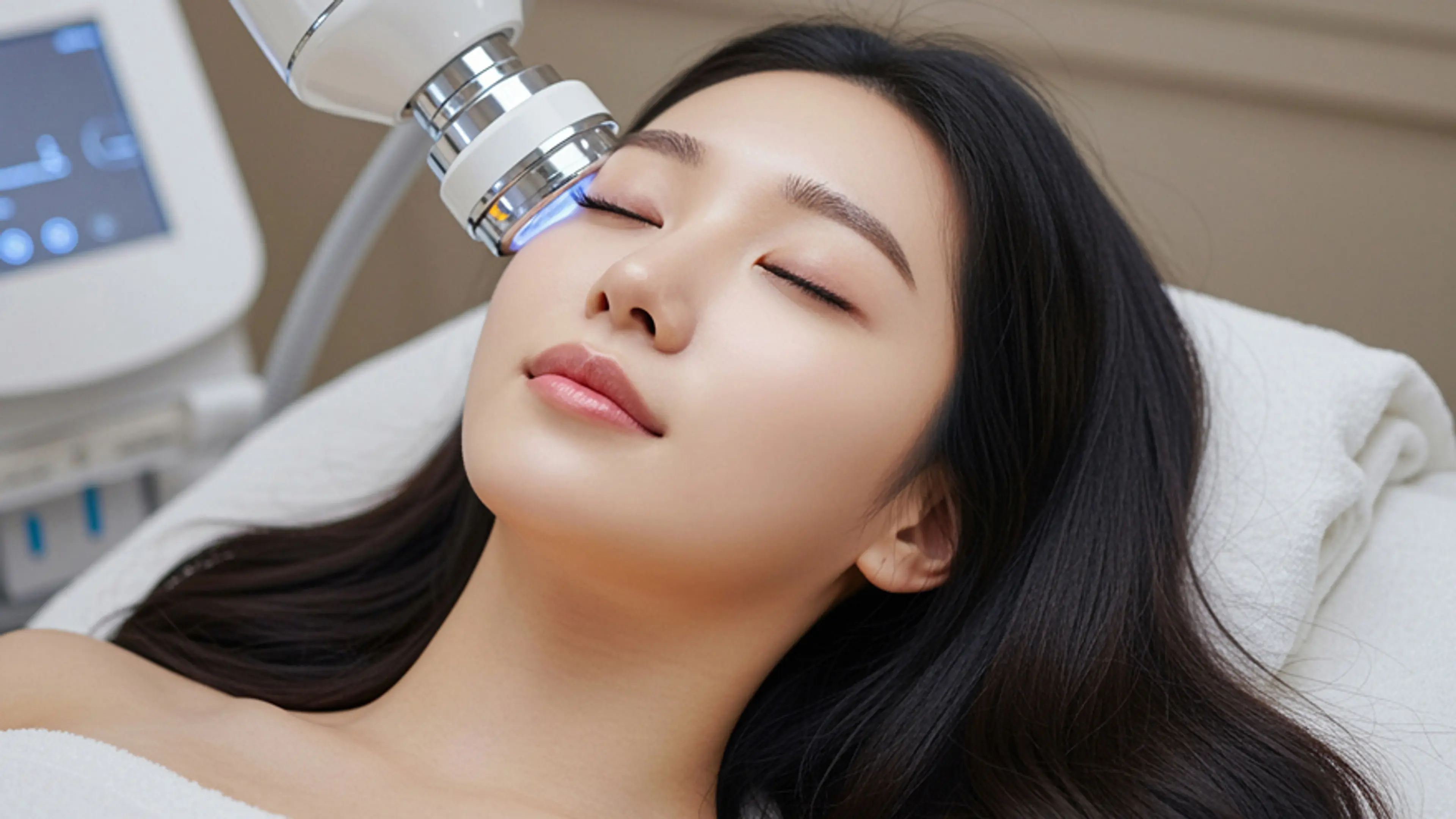
Laser resurfacing uses focused light energy to either ablate (remove) surface layers of skin or penetrate deeper to stimulate collagen production without removing layers. This process varies based on the type of laser: ablative vs. non-ablative, and fractional vs. full-field. Ablative lasers (like CO2 or Er:YAG) physically vaporize tissue, while non-ablative lasers (like Nd:YAG or certain fractional lasers) work by heating the underlying skin to stimulate repair.
The beauty of laser treatment lies in its precision. It allows clinicians to control the depth, density, and energy output to suit specific skin concerns. This is especially beneficial for patients seeking targeted improvement in texture, tone, scars, and aging signs.
Best For… | Chemical Peels | Laser Rejuvenation |
|---|---|---|
Surface concerns (dullness, roughness, mild discoloration) | Excellent for brightening and smoothing | Effective, but often more intense than needed |
Pigmentation or sunspots | Good for mild/moderate discoloration | More effective for deeper or stubborn pigmentation |
Fine lines and early aging | Light-to-medium peels help refresh skin | Strong collagen stimulation yields noticeable smoothing |
Scars and deeper texture issues | Less effective for deep scars or wrinkles | Best for acne scars, surgical scars, and deep wrinkles |
Long-term skin renewal | Offers modest stimulation | Superior for collagen remodeling and tightening |
Downtime and simplicity | Minimal for light peels | Varies; some lasers require more recovery |
Chemical peels, especially light ones, are known for minimal downtime. Some flaking or redness is expected, but the skin typically recovers within a few days. Medium and deep peels, however, can involve several days of peeling, redness, and sun sensitivity. They require more recovery and must be carefully selected based on skin type and concern.
Laser treatments, on the other hand, vary significantly depending on the type and intensity. Non-ablative lasers often involve mild redness and slight swelling for a day or two. Fractional ablative lasers, however, may result in significant redness, peeling, and a longer healing process. Some patients experience a “sunburned” appearance, which can last a week or more.
Budget also plays a role. Chemical peels are generally more affordable per session, but may require multiple treatments to maintain results. Lasers, particularly fractional or ablative systems, tend to cost more upfront but can offer longer-lasting changes in fewer sessions. That said, cost alone shouldn’t determine your choice — results and safety should always lead.
Because our background is rooted in facial surgery and aesthetic balance, we approach skin rejuvenation with a sculptor’s mindset. Whether it’s subtle polishing or deeper structural refinement, the method must suit the canvas — your face.
If your main concern is surface-level issues — dull skin, mild uneven tone, or early signs of aging — a light or medium chemical peel can be a fantastic starting point. It’s like cleaning the dust off a painting to reveal its original brilliance.
But if your goals include structural rejuvenation — smoothing of acne scars, deeper wrinkles, or achieving tighter, firmer skin — laser rejuvenation is usually the more powerful tool. Think of it as reinforcing the foundation, not just redoing the paint.
Importantly, we always consider your lifestyle. If you’re preparing for an event or have limited time for recovery, we might guide you toward a less intensive option. Likewise, if you’ve had prior treatments or are new to cosmetic procedures, we take that into account when customizing a plan.
You want a quick refresh with minimal downtime: A light chemical peel is likely your best match.
You want to tackle deeper concerns like acne scars or significant sun damage: Laser resurfacing, particularly fractional or non-ablative, will offer more meaningful improvements.
You want gradual, natural improvement: Combining both treatments — at different times or in alternating cycles — often provides balanced, sustained enhancement.
You have sensitive or darker skin: Both treatments require caution. We recommend a customized protocol based on in-depth consultation to avoid pigmentary side effects.
In many cases, long-term aesthetic success comes from consistency rather than intensity. Patients who commit to a steady maintenance plan — whether that includes occasional peels, periodic laser sessions, or supportive skincare — often achieve the most natural and enduring results. What matters most is choosing a plan that aligns with your schedule and comfort level, while still promoting healthy skin regeneration over time.