Home / Articles
Rhinoplasty Recovery: Key Things to Know
Home / Articles
Rhinoplasty Recovery: Key Things to Know
Rhinoplasty, often known as a "nose job," is one of the most sought-after cosmetic procedures globally. Whether you're enhancing the shape of your nose for aesthetic reasons or addressing functional issues like a deviated septum, the recovery process plays a significant role in achieving the final result. While every patient is unique, there are some universal things you should know to help you navigate your rhinoplasty recovery smoothly.
At SoonPlus Plastic Surgery, we focus not only on precision during the surgery but also on ensuring that our patients understand the recovery process clearly, so they can achieve the natural, balanced results they desire.
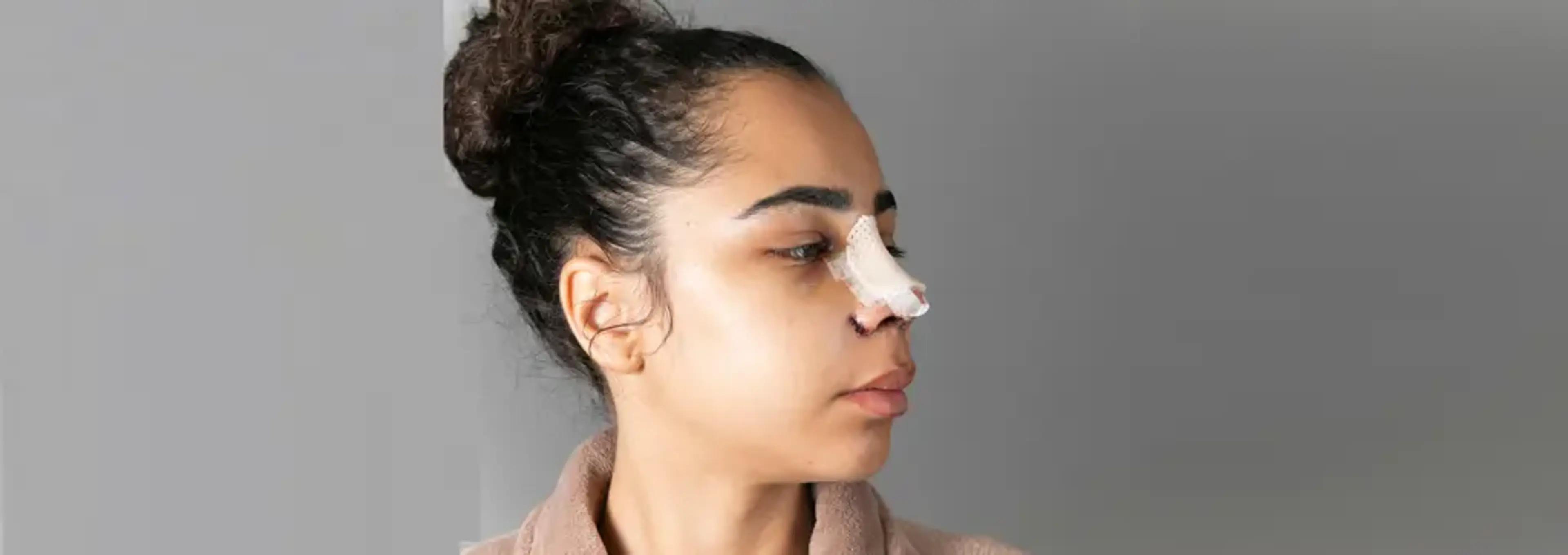
Directly after the procedure, your nose will be sensitive, swollen, and perhaps bruised around the eyes or upper face. This is completely normal and part of the body's healing process. Most patients experience mild to moderate discomfort during the first few days, which can usually be managed with prescribed pain medications.
Your surgeon will provide specific post-operative care instructions to help ensure your recovery is as smooth as possible. These may include tips on:
How to properly clean your nose
The importance of elevating your head to reduce swelling
Avoiding activities like blowing your nose (which could disrupt the healing process)
Using cold compresses to minimize swelling
In the first week, the most significant physical changes will happen. By the time your splints or packing are removed, you’ll notice that the majority of the visible swelling and bruising will have subsided. However, some swelling may still persist, especially around the nasal tip. This is all part of the process.
You’ll likely be advised to take it easy, avoid strenuous activity, and avoid direct sunlight to protect the delicate skin on your nose.
Most patients can return to light work and social activities after the first week, but we suggest taking at least 10-14 days off from any intense physical activity or exercise.
By weeks 2 to 4, you’ll start to see more defined results as swelling continues to decrease. At this point, many patients return to work and resume their regular routines, but the nose is still healing internally. It’s important to understand that the final, fully healed result isn’t fully visible at this stage.
By 3 to 6 months post-surgery, the changes in your nose will be more pronounced, but it’s important to remember that the healing process isn’t finished yet. While you can see a more natural shape emerging, there is still some subtle swelling that’s happening beneath the surface.
The contours of your nose will be more refined, and you’ll see that the changes are becoming permanent.
For some patients, there’s a slight reshaping that continues during this time as internal swelling subsides. This subtle shift can affect the tip of the nose most noticeably.
It’s essential to understand that the full results of your rhinoplasty might not be visible until a full year after the surgery. At this point, all swelling should be gone, and the shape of your nose will have settled into its final form.
Rhinoplasty isn’t just about physical recovery; there’s also an emotional component. It’s not uncommon for patients to go through a range of emotions as they wait for the full results to appear. This is a normal part of the process, especially since the changes are so personal.
While rhinoplasty is generally a safe procedure, every surgery carries some risk. Most patients recover without any significant complications, but it's essential to be aware of the potential risks:
If you notice any unusual symptoms such as severe pain, excessive bleeding, or signs of infection (redness, heat, or discharge), don’t hesitate to contact your surgeon immediately. At SoonPlus Plastic Surgery, we are always available to support our patients and ensure their recovery goes as smoothly as possible.
Rhinoplasty recovery requires patience and care, but understanding the process can ease much of the anxiety patients experience. At SoonPlus Plastic Surgery, we are committed to providing our patients with detailed post-op care instructions, ongoing support, and personalized attention throughout the healing process.
If you’re considering rhinoplasty, the recovery timeline is an important aspect of the decision-making process. And while healing can take time, the end result — a naturally beautiful, balanced nose — is worth the wait.
If you're exploring options for rhinoplasty and want to ensure you’re in the hands of experts who prioritize your results and recovery, book a consultation with us today. We're here to guide you through each step with care and precision, ensuring that your transformation is a lasting one.