Home / Articles
SMAS Facelift Korea 2026: Cost, Recovery & Results | SoonPlus
Home / Articles
SMAS Facelift Korea 2026: Cost, Recovery & Results | SoonPlus
You're seeing yourself in Zoom meetings and candid photos, and the gap between how you feel and how your face looks is impossible to ignore. Soft jawline, visible jowling, deep nasolabial folds — the structural changes that Botox and fillers can no longer address. You've researched extensively and know that a SMAS facelift is the answer, but you're wondering: where is the best place to have this done, and how much will it truly cost?
Professional women in their 50s who've invested in injectables for years reach a point where they need structural correction, not temporary softening. The feeling that your face no longer reflects your vitality is a quiet but persistent source of professional discomfort, especially in video-heavy work environments and public-facing roles. You need a facelift that delivers genuinely natural results — the kind where colleagues say "you look amazing lately," not "did you have work done?"
The SMAS facelift technique explained: what makes it different, why it lasts longer, and why Korean surgeons lead the world in this procedure. Real costs in 2026: transparent pricing, what's included, how Seoul compares to New York and Los Angeles, and whether the savings are real after factoring in flights and accommodation. Week-by-week recovery timeline: exactly when bruising resolves, when you can return to video calls, when you can fly home safely, and realistic expectations for final results. Why natural results matter: how SoonPlus achieves the "you just look refreshed" aesthetic that keeps your professional credibility intact. The complete patient journey: from virtual consultation to returning home, with post-operative support that doesn't end when you leave Seoul.
SoonPlus Plastic Surgery has performed 800+ procedures annually over the past decade, with specialization in facial rejuvenation and SMAS facelift surgery for international patients. Dr. Soon Dong Kim, our lead facial rejuvenation surgeon, has dedicated his career to the SMAS facelift technique and patient-centered outcomes — meaning your surgery is customized to your face, not a template applied to every patient.
Understanding the SMAS layer is the key to understanding why SMAS facelift results last dramatically longer than traditional facelift approaches. SMAS stands for the Superficial Musculo-Aponeurotic System — a layer of tissue beneath your skin that contains muscles and connective tissue. Think of your face as having multiple layers: skin on the surface, subcutaneous fat beneath the skin, the SMAS layer below that, and deeper muscles below the SMAS.
When your face ages, gravity pulls downward on all layers, but the SMAS layer is where the real structural support weakens. A traditional facelift tightens only the skin and superficial tissues — like pulling a canvas taut over a weakening frame. In contrast, a SMAS facelift addresses the actual structural support system. Instead of just tightening skin, the surgeon lifts and repositions the SMAS layer itself, which is why results last 10–15 years rather than 5–7 years.
Dr. Soon Dong Kim explains: "The SMAS layer is where gravity does its real damage. When we lift at the SMAS level, we're addressing the actual structural support that has weakened — not just tightening skin on the surface. This is why SMAS facelift results last 10–15 years rather than 5–7 years."
The anatomical advantage is substantial. Because the SMAS layer contains the structural support system, lifting it creates a more stable, longer-lasting result. This requires advanced anatomical understanding and technical skill — which is why only specialized surgeons perform true SMAS facelift procedures. A surgeon must understand the precise anatomy, know how to safely dissect the SMAS layer without damaging underlying nerves, and know exactly how much lift achieves natural results without overdoing it.
When researching facelift options, you may encounter the term "deep plane facelift" and wonder how it compares to SMAS facelift. Both are advanced techniques, but they differ in depth, recovery, and ideal patient selection.
A SMAS facelift lifts specifically at the SMAS layer — the superficial musculo-aponeurotic system. A deep plane facelift goes deeper, lifting beneath the SMAS into the underlying muscle layers. This makes deep plane facelift more aggressive and potentially longer-lasting, but it also requires longer recovery and carries slightly higher risks of nerve-related complications due to deeper tissue dissection.
Here's how they compare:
Factor | SMAS Facelift | Deep Plane Facelift |
|---|---|---|
Depth of Lift | SMAS layer | Deeper: below SMAS into muscle |
Longevity | 10–15 years | 12–18 years |
Recovery Time | 10–14 days before public appearance | 14–21 days before public appearance |
Swelling Duration | 2–3 weeks significant; 2–3 months subtle | 3–4 weeks significant; 3–4 months subtle |
Risk of Nerve Issues | Lower | Slightly higher (deeper dissection) |
Best For | Moderate to advanced aging; natural results priority | Advanced aging; longevity priority |
SoonPlus Recommendation | Most patients 45–60 | Selected patients 60+ or extreme laxity |
Korean surgeons often prefer SMAS facelift because it balances longevity with recovery time and natural appearance. Most patients aged 45–60 with moderate to advanced aging benefit most from SMAS technique. The procedure delivers excellent results without the extended recovery and slightly elevated risk profile of deep plane lifting. However, selected patients with severe laxity or those seeking maximum longevity may be better candidates for deep plane approach.
Dr. Jong Min Lim notes: "The choice between SMAS and deep plane isn't about which is 'better' — it's about matching technique to patient anatomy and goals. We customize the approach, which is why patients achieve such natural results."
Seoul is the global facelift capital. This isn't marketing hyperbole — it's a documented reality based on surgical volume, technique refinement, and international patient outcomes. The reason is simple: Korean surgeons perform more SMAS facelifts annually than surgeons anywhere else on Earth.
A typical American plastic surgeon performs 100–200 facelifts per year across all techniques. A Korean surgeon specializing in facial rejuvenation performs 300–500 SMAS facelifts annually. This massive volume difference creates compounding expertise. With each procedure, the surgeon refines technique, optimizes outcomes, and identifies subtle variations that improve results.
Over decades, this accumulates into a level of mastery that's difficult to match elsewhere. Korean surgeons have collectively developed proprietary variations of SMAS technique — refinements that don't exist in textbooks but have emerged through thousands of procedures. The result is measurable: revision rates at leading Seoul clinics are 2–3%, compared to 5–8% at many Western clinics. This means patients are more satisfied, complications are rarer, and secondary surgery is less likely.
Korean aesthetic philosophy also contributes significantly. The cultural emphasis on natural enhancement rather than dramatic transformation shapes how surgeons approach the SMAS facelift. The goal isn't to make someone look 20 years younger or obviously different — it's to restore structural support so they look like the best version of themselves. This philosophy produces results where colleagues say "you look amazing lately" without ever suspecting surgery.
Patient selection also matters. Korean clinics are more selective about candidacy. Patients who aren't ideal candidates for excellent outcomes are sometimes counseled to pursue alternative treatments rather than proceed with surgery that might produce mediocre results. This selectivity contributes to higher overall satisfaction rates and lower revision rates.
Dr. Jong Min Lim explains: "The SMAS facelift technique has been refined in Seoul over decades. We're not just following textbook anatomy — we're implementing years of collective innovation. The result is that our revision rates are 2–3% compared to 5–8% in many Western clinics."
Understanding what happens during SMAS facelift surgery removes anxiety and builds confidence in the procedure. The surgery unfolds in precise, logical steps designed to lift the SMAS layer safely while creating natural, symmetric results.
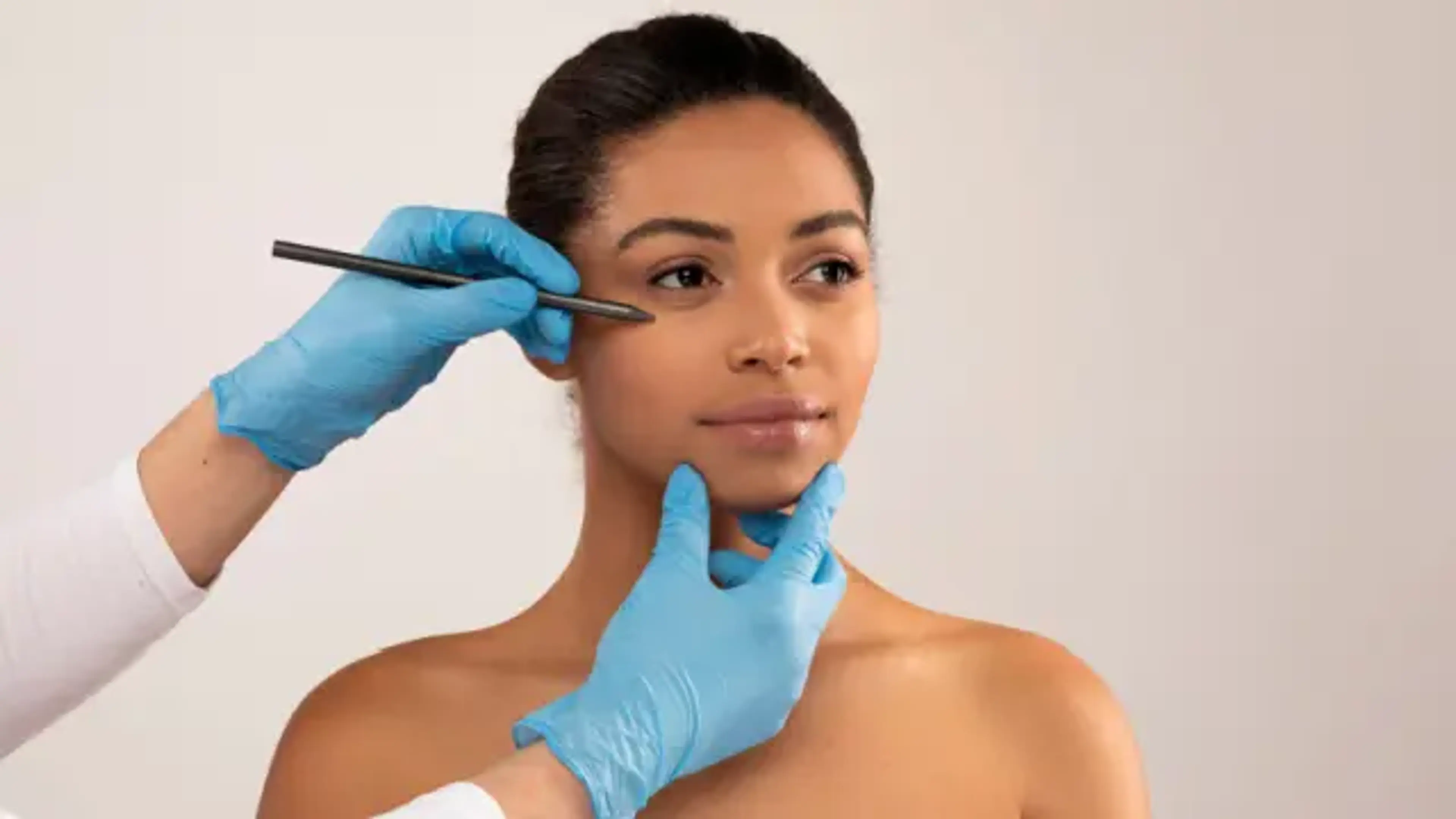
Before surgery begins, the surgeon marks your face while you're awake. This is critical because it allows the surgeon to assess symmetry and plan incision placement while you're alert and can communicate if something doesn't feel right. These markings serve as a surgical roadmap.
Incisions are placed strategically to minimize visible scarring. Typical placement includes incisions at the temples, following the natural crease just in front of the ears, and potentially extending slightly behind the ears into the hairline. Some patients also have a small incision under the chin if a neck lift is included. Once healed, these incisions become barely visible because they follow natural facial contours and are hidden by hairline, ears, and shadows.
Once incisions are made, the surgeon carefully separates the skin from underlying tissue using specialized instruments. This skin elevation must be precise — the surgeon needs clear access to the SMAS layer without damaging blood vessels or nerves. Experienced SMAS surgeons develop an intuitive feel for the correct tissue plane.
Next comes the key step: SMAS layer identification and lift. The surgeon locates the SMAS layer beneath the fat and carefully lifts it. The SMAS is then repositioned upward and backward, restoring the structural support that gravity has weakened. This is where artistry meets science. The lift must be strong enough to deliver lasting results but subtle enough to avoid the "pulled" appearance that comes from over-lifting.
Once the SMAS is repositioned appropriately, excess tissue is carefully removed — but conservatively. The goal is never to remove maximum tissue. Instead, the surgeon removes just enough to eliminate redundancy while preserving natural contours. This conservative approach ensures natural results.
The closure technique is crucial for final results. The SMAS layer is sutured separately from the skin closure. This layered approach — SMAS stitched to underlying tissues, then skin closed separately with fine sutures — creates a more stable, natural result that lasts longer and looks better than approaches where all layers are closed together.
Finally, incisions are closed with meticulous technique. Fine suturing minimizes scar visibility. Bandages are applied, and sometimes small drains are placed temporarily to prevent fluid accumulation.
Dr. Yong Hwa Choi notes: "Our incision placement is conservative — designed so that once healed, scars are virtually invisible even in bright light. We're not trying to tighten maximally; we're trying to achieve natural lift that lasts. This is why patient satisfaction is so high."
SMAS facelift surgery is performed under general anesthesia with a board-certified anesthesiologist monitoring your vital signs throughout the procedure. General anesthesia allows the surgeon to work with precision while you sleep comfortably, and a dedicated anesthesia team ensures your safety.
The procedure typically takes 2–3 hours depending on complexity. A SMAS facelift alone takes closer to 2 hours. Adding a neck lift or forehead lift extends time to 2.5–3 hours. The duration is a function of the technique required and the surgeon's commitment to precision over speed.
SoonPlus Plastic Surgery operates six dedicated operating theaters equipped with hospital-grade surgical equipment and continuous monitoring systems. The facility meets international standards for surgical safety and cleanliness. The anesthesia team is fully trained, experienced with international patient protocols, and equipped to handle emergencies.
Throughout surgery, your vital signs are monitored continuously. Airway management is maintained carefully. Emergency equipment is immediately available. After surgery concludes, you're transferred to the post-operative recovery room where you're monitored for 2–4 hours before being discharged to your accommodation. A staff member accompanies you during recovery and provides detailed post-op instructions.
Safety data reflects these standards: complication rates at SoonPlus are 2–3%, well below the industry average of 5–8%. This includes all potential complications like infection, bleeding, and nerve-related issues. Most complications, when they do occur, are minor and resolve with conservative management.
When you wake up after surgery, expect grogginess from anesthesia and numbness throughout the face and ears — this is completely normal. Your face will be bandaged, and you may have small drain tubes if used for your specific case. Pain is typically mild to moderate, managed effectively with prescribed medications.
The first three days are when swelling and bruising begin in earnest. Don't be alarmed by how you look — significant swelling and bruising at day three is normal post-operative response, not a sign of problems. Your face will look quite swollen and bruised, which is why planning to remain in private accommodation during this phase is essential.
Pain management is straightforward. You'll receive prescription medication that effectively controls discomfort. Take it as directed, and most patients find pain decreases significantly after day two. Nausea from anesthesia typically resolves within 24 hours.
Activity during these first three days is minimal. Bed rest is appropriate, with your head elevated on three to four pillows to minimize swelling. Minimize head movement. Your diet consists of soft foods — ice chips, broth, smoothies, yogurt. Limit fluids to prevent complications.
If drains are used, you'll learn how to monitor and manage them. The surgical team shows you exactly what to do, and it's straightforward. Contact SoonPlus immediately if you notice signs requiring medical attention: excessive bleeding, sudden increased swelling, difficulty breathing, or chest pain. These are warning signs that need prompt attention.
Swelling continues to progress through day 4–5, peaking around day 3–4, then beginning a gradual decline. Bruising darkens during this phase — appearing worse before it gets better, which is normal. By day seven, bruising begins fading from dark purple-black toward yellow-green tones.
You can begin gentle walking indoors, moving slowly. Avoid any heavy activity or lifting. Your compression garment is worn consistently — typically 23 hours daily during this phase, removing it only for brief periods.
By day 5–7, you'll have your first post-operative check-in. The surgeon examines your healing, removes any drains, and answers questions. Sutures are typically removed around day 7–10. Once sutures are removed, you can shower with care, gently washing your face.
By day seven, you can apply light makeup if you're remaining in private accommodation. However, appearance at day 5–7 is still quite swollen and bruised — definitely not ready for public appearance. This is the phase where honest expectation-setting matters. You will look post-operative. Plan accordingly.
By week two, swelling is noticeably reduced but still present. You can still see the lift shape, but it's no longer alarming. Bruising is visible but increasingly treatable with makeup. Darker bruises fade to yellow-green tones that makeup covers effectively.
Activity increases to light walking and gentle stretching. You cannot yet lift heavy objects or do intense exercise, but gentle movement promotes healing. Your compression garment reduces to 12–16 hours daily — still worn at night and during quiet hours, but removed for short periods.
Makeup can be applied carefully without heavy pressure. Good quality makeup conceals 60–70% of remaining bruising. By week two, if you're careful with makeup and wear appropriate clothing, short video calls become possible. However, in-person professional meetings are still risky for maintaining professional discretion.
Sensitivity in the face and ears is common during week two. Some numbness may persist — this is normal nerve response to surgery and typically resolves over weeks to months. Ears may feel hypersensitive to touch.
Week two is psychologically important. This is when you typically stop feeling distinctly "post-operative" and start feeling like you're "recovering." The mental shift from "I just had surgery" to "I'm healing well" provides important emotional momentum.
By week three, swelling is 70–80% resolved. By week four, swelling continues resolving toward 80–90%. Bruising is fading — mostly gone by week four, with only light purple or yellow tones possibly remaining.
Activity expands. Light exercise becomes possible by week three — stationary bike, light weights, yoga. Avoid heavy lifting and high-impact exercise like running or jumping until week six.
Work readiness improves dramatically. You can return to office work, in-person meetings, and professional activities. Your colleagues may comment that you look great without suspecting surgery if results are natural. Makeup is no longer needed to conceal bruising by week four.
The lift is now visible. You're starting to see the actual result shape — jawline definition is more apparent, jowling is improved, neck is tighter. The subtle changes that seemed impossible a few weeks ago are now obvious to you.
By week four, most patients feel confident resuming normal professional life. This is the turning point where recovery transitions from acute to gradual refinement.
By week six, swelling is 90% resolved. Subtle swelling can persist until week 12, but it's minimal and unnoticeable to others. Bruising is essentially gone. Activity returns to nearly normal — gym, sports, and full exercise are safe by week six.
Flying becomes safer. Business class is safe by week four due to reclined seating and leg room. Economy flights are acceptable by week 5–6 when swelling is significantly reduced. Compression garment during flight is essential to minimize swelling from cabin pressure and immobility.
Scar healing progresses. Incisions begin fading from red to pale pink. Scars will continue improving for 6–12 months as they mature and fade further.
Results continue improving as remaining swelling resolves. The true final result isn't visible until 3–4 months post-op when all swelling is completely resolved. This is important — patience during this phase is essential. You're healing beautifully, but the final aesthetic result is still emerging.
By week eight, you're essentially back to normal life. The acute recovery phase is complete. What remains is gradual refinement over the next 8–16 weeks as subtle swelling resolves and scars fade.
Here's a visual breakdown of recovery progression: Week 1 (100% swelling), Week 2 (70% swelling), Week 3 (50% swelling), Week 4 (20% swelling), Week 6 (10% swelling), Week 12 (0% swelling — fully healed).
Dr. Soon Dong Kim explains: "The most important thing patients need to know is that 'done' and 'final' are different. You're 'done' healing in 4–6 weeks, but your final aesthetic result isn't visible for 3–4 months. This is why patience is essential."
By three months post-op, swelling is completely resolved. Your final result is now visible. Scar appearance continues improving. Most patients report the highest satisfaction at this phase — you can clearly see what you've achieved, swelling isn't masking results, and life is completely normal.
Results are "visible" in the sense that people notice you look refreshed. They won't suspect surgery if results are natural. Colleagues may say "you look fantastic lately" or "whatever you're doing is working," without realizing you've had surgery. This is the hallmark of excellent facelift results.
Returning to normal activities is completely unrestricted by month three. No activity limitations exist — you can do whatever you want without worry.
Long-term skincare resumes normally. If you're interested in complementary non-surgical treatments like Botox or fillers, discuss timing with Dr. Kim. Most patients find that SMAS facelift results reduce their need for injectables for years, since the structural support is restored.
Transparency in pricing is a cornerstone of the SoonPlus philosophy. Here's exactly what SMAS facelift costs:
SMAS facelift only: $10,500–$13,500 USD
SMAS facelift plus neck lift: $12,500–$15,500 USD
SMAS facelift plus neck lift plus forehead lift: $14,500–$17,500 USD
Revision SMAS facelift: $13,000–$16,000 USD
Surgical consultation and pre-operative assessment, operating room facility and equipment, anesthesia and anesthesiologist fees, surgeon's fee where the primary surgeon personally performs the entire procedure, post-operative medications including pain management and antibiotics, compression garments, follow-up consultations during your stay in Seoul typically 3–4 visits over 10–14 days, post-operative care instructions and support documentation, medical summary letter for your US physician.
International flights from the US to Seoul and return, accommodation in Seoul, meals in Seoul outside of hospital-provided meals, local transportation in Seoul, post-operative medications obtained in the US (typically minimal cost), travel insurance for medical tourism (recommended; patient's responsibility).
SoonPlus does not add surprise fees. All inclusions are listed upfront. If additional procedures or extended stay are needed, costs are discussed and approved by you before proceeding.
Here's a complete cost breakdown for SMAS facelift plus neck lift:
Cost Category | Amount | Notes |
|---|---|---|
Surgery (SMAS + Neck Lift) | $13,500 | All-inclusive procedure cost |
Flights (LAX-ICN round-trip, economy) | $700–$1,200 | Varies by season |
Accommodation (10 nights, mid-range) | $1,200–$1,800 | Near SoonPlus Plastic Surgery |
Meals (10 days, local) | $300–$500 | Budget dining; some included |
Local Transport | $150–$250 | Taxis, metro, clinic transport |
Travel Insurance | $150–$250 | Medical tourism coverage |
Miscellaneous | $200–$300 | Tips, incidentals |
TOTAL (Estimated) | $16,200–$17,600 | Complete trip cost |
New York City SMAS facelift costs include surgeon fee of $15,000–$25,000, facility and anesthesia of $3,000–$5,000, post-op care of $500–$1,000, totaling $18,500–$31,000 in surgery costs with minimal additional travel or accommodation costs since you're local.
Los Angeles SMAS facelift costs include surgeon fee of $12,000–$20,000, facility and anesthesia of $3,000–$5,000, post-op care of $500–$1,000, totaling $15,500–$26,000 in surgery costs with minimal additional travel or accommodation costs.
Seoul SMAS facelift at SoonPlus includes surgeon fee, facility, and anesthesia all-inclusive at $12,500–$15,500, plus flights, accommodation, meals, and transport of $2,600–$3,100, for realistic total cost of $15,100–$18,600.
The savings analysis is compelling. Seoul versus New York saves $0–$15,900 with average savings of $6,000–$8,000. Seoul versus Los Angeles saves $0–$10,400 with average savings of $4,000–$6,000.
Critically, the savings are even more significant when you factor in Seoul's lower revision rates of 2–3% versus 5–8% in many Western clinics. A revision SMAS facelift costs $8,000–$10,000. If there's even a slightly higher chance of needing revision elsewhere, the financial advantage of Seoul becomes clear. You're not just getting surgery cheaper — you're getting world-class technique from a surgeon with 15+ years of SMAS specialization, lower revision risk, and natural results at a cost that's 30–50% below premium US clinics.
Dr. Jong Min Lim explains: "The cost difference isn't because quality is compromised. It's because our overhead structure is different, we have higher surgical volume, and we specialize deeply in this one procedure. You're getting premium technique at an efficient price point."
A common myth circulates that "once you add flights and hotels, Seoul isn't cheaper." Reality contradicts this. Total trip cost is still $3,000–$10,000 cheaper than comparable US surgery.
Breaking down the budget: you're paying for world-class surgery, not just a discount. The Seoul advantage isn't that corners are cut — it's that the business model is optimized. Higher volume, specialization depth, and different overhead structure enable lower pricing while maintaining premium quality.
Financing options exist if helpful. SoonPlus can discuss payment plans. Travel rewards like credit card points offset flight costs for many patients.
Even if you spend $16,000–$18,000 total on a Seoul trip versus $18,500–$31,000 for comparable US surgery, you're saving $500–$15,000 AND getting superior technique with lower revision risk. The Seoul option is objectively better financial and medical value.
Natural results mean colleagues say "you look amazing" or "you look refreshed," not "you've had surgery." This is the defining characteristic of excellent SMAS facelift work. Natural doesn't mean subtle or invisible — you'll absolutely notice improvement. It means the improvement looks like you, not like a surgical intervention.
At SoonPlus, natural results are achieved through conservative lift philosophy, respect for your unique features, and avoiding a template approach where the same technique is applied to every patient. What does natural look like? Lift without pulled appearance, jawline definition without severity, natural skin texture preserved, subtle but significant improvement, and scars barely visible at 3–4 months.
Why diversity in before and after photos matters is critical. Results look different on different faces. Your demographic — professional women 45–65 with Western features — needs to be represented in galleries you review. You need to see someone who looks like you, not just a range of faces.
Dr. Soon Dong Kim notes: "A successful SMAS facelift should make people say 'you look great' without them knowing why. That's the goal — a lift that's obvious to you but invisible to others. This takes more skill than aggressive lifting, but it's what we prioritize at SoonPlus."
Our results gallery showcases 15+ diverse patient outcomes at SoonPlus, featuring real patients aged 48–58 photographed at 3–6 months post-op when true results are visible. Each image includes patient age, procedure performed, timing of photo, and reflects typical outcomes at SoonPlus.
Representative results include: 48-year-old woman with mild to moderate jowling correction showing clear jawline definition; 52-year-old woman with deep nasolabial folds and jowling treated with SMAS plus neck lift showing dramatic improvement with natural appearance; 56-year-old woman with significant laxity showing dramatic improvement while maintaining natural appearance; 58-year-old woman receiving combined facelift plus forehead lift demonstrating comprehensive facial rejuvenation; 54-year-old woman undergoing revision SMAS facelift after previous surgery elsewhere, achieving natural result that the first surgeon missed.
Additional representative cases show: 50-year-old woman receiving conservative lift emphasizing subtle improvement for professional woman; 55-year-old woman with full results visible at 6-month mark showing excellent scar healing; 52-year-old woman in profile view showing jawline and chin definition improvement; 49-year-old woman at 3 months post-op with swelling nearly resolved; 57-year-old woman with severe laxity achieving dramatic natural improvement; 51-year-old woman in three-quarter view showing cheek lift effect; 54-year-old woman requesting conservative result receiving exactly that; 56-year-old woman showing balanced lift avoiding "wind-tunnel" appearance; 52-year-old woman receiving SMAS plus neck lift showing excellent neck definition; 55-year-old woman achieving natural results allowing return to professional life without suspicion.
These results represent typical patient outcomes at SoonPlus. Natural results are standard, not exceptions. All patients shown are real and all results photographed at 3–6 months post-op when true results are visible.
Dr. Soon Dong Kim brings 16+ years of plastic surgery experience with specialization in facial rejuvenation and SMAS facelift surgery. He has personally performed 1,200+ SMAS facelift procedures — among the highest volume of any surgeon globally. His board certifications from the South Korean Board of Plastic Surgery are equivalent to US board certification. Dr. Kim pioneered the patient-centered SMAS approach at SoonPlus and developed proprietary technique refinements. With 300+ SMAS facelifts performed annually, Dr. Kim represents the top 1% of surgeons globally in SMAS expertise. He regularly presents at international plastic surgery conferences.
Dr. Jong Min Lim brings 14+ years of plastic surgery experience with 800+ SMAS facelifts performed. His specialization includes facial rejuvenation and combination procedures. He's particularly known for exceptional patient communication and conservative, natural aesthetic approach. Dr. Lim specializes in combination procedures like facelift plus neck lift plus body contouring.
Critical commitment: Your consulting surgeon personally performs your surgery. No ghost surgery, no junior surgeons, no substitutions. This is documented in your surgical contract. When you book with Dr. Kim or Dr. Lim, they are performing your procedure.
Dr. Soon Dong Kim explains: "Every SMAS facelift I perform is a customization. We start with anatomical understanding, but we adapt to your unique facial structure, age, and aesthetic goals. This is why results look so natural — they're designed for you, not a template applied to everyone."
SoonPlus operates six dedicated operating theaters with modern equipment meeting international standards. Hospital-grade anesthesia monitoring and emergency equipment are immediately available. Infection control protocols are rigorous, exceeding industry norms.
For international patients, English-speaking surgical teams ensure seamless communication. Dr. Kim and Dr. Lim both speak fluent English. Patient coordinators are bilingual. Pre-surgery virtual consultation allows you to meet with your surgeon via video, establishing communication and trust before arrival. The clinic assists with accommodation coordination, helping you find recovery-friendly hotels. A 24/7 emergency contact line provides direct access to on-call medical staff. Post-return virtual follow-ups are scheduled after you return to the US with no additional cost.
Detailed medical documentation including surgical report and photos is provided for your US physician. You won't feel medically stranded. Communication is seamless, emergency access is clear, and your recovery is supported both in Seoul and after returning home.
Safety data reflects these standards. Complication rate is 2–3%, well below industry average of 5–8%. Revision rate is 2.5%. Patient satisfaction rate exceeds 94%. International patient retention is 65%+, returning for additional procedures, indicating trust and satisfaction.
Patient-centered means your surgery is customized to your face, goals, and preferences — not a standardized template. Consultation philosophy emphasizes extensive time understanding your concerns, aesthetic preferences, and desired outcomes. Surgical planning involves detailed assessment of your unique anatomy and aging pattern to determine optimal approach. Result philosophy prioritizes natural results enhancing your appearance without changing who you are. Recovery support includes detailed guidance, realistic expectations, and responsive communication. We view this as a 10+ year relationship, not a one-time transaction.
A real patient example illustrates this approach. Patient Margaret came to SoonPlus after unsatisfactory results from an aggressive facelift in New York. Dr. Kim spent 90 minutes in consultation understanding her goals: she wanted to look refreshed and professional, not dramatically younger. The revision SMAS facelift was designed specifically for conservative lift emphasizing jawline definition and subtle rejuvenation. Result at 4 months: colleagues noticed she looked "remarkably well," but no one suspected surgery. Margaret reported: "This is exactly what I wanted — I just look like the best version of myself."
Dr. Jong Min Lim adds: "Every patient is different. Your face has a unique story — your age, your genetics, your lifestyle. A good surgeon adapts to that, not the other way around. That's what we do at SoonPlus."
Provide information about your goals, concerns, and timeline. You'll receive a response within 24 hours with consultation scheduling options. The virtual consultation is scheduled for a convenient time with SoonPlus accommodating US time zones.
Prepare high-quality photos including front, side, and three-quarter views, a list of questions, and your medical history. The consultation typically lasts 60–90 minutes with Dr. Kim or Dr. Lim. There is no cost for consultation for serious candidates.
A video consultation allows Dr. Kim to assess your face, understand your goals, and answer questions directly. This is where trust is built — within this call you'll know whether SoonPlus is right for you.
Following consultation, SoonPlus sends detailed treatment plan with recommended procedure such as SMAS only versus SMAS plus neck lift. Itemized cost breakdown lists all inclusions. Timeline shows surgery date options typically 4–8 weeks out. You arrange pre-operative bloodwork and clearance from your US physician through easy telehealth appointment. A deposit secures your surgery date, with remainder due before travel or at clinic per payment agreement.
Two weeks before surgery, follow SoonPlus pre-operative instructions. Stop certain medications like blood thinners and NSAIDs per SoonPlus guidelines. Use recommended skincare regimen to optimize healing. Book flights and accommodation — SoonPlus can recommend options. Gather medical clearance letter from your US physician, insurance information, and ID/passport. Schedule final consultation call one week before surgery to confirm details.
Arrive at clinic two hours early for final pre-op assessment. Surgery lasts 2–3 hours under general anesthesia. Post-op recovery monitoring continues 2–4 hours, then discharge to accommodation. Post-op checks occur at day 5, day 10, and day 14, all included. A 24/7 emergency contact is available. Medical summary and post-op instructions are provided for your US physician.
📞 Phone: +8225471705
📍 Location: 12th and 13th Floors, Mulberry Hills Medical Tower, 589 Gangnam-daero, Seocho-gu, Seoul, South Korea
🕐 Hours: The clinic operates from Monday to Friday between 10:00 AM and 7:00 PM, and on Saturday from 10:00 AM to 4:00 PM. The clinic remains closed on Sundays.
SMAS facelift in Korea at SoonPlus Plastic Surgery offers world-class surgical technique at transparent, realistic cost — saving you $4,000–$15,000 compared to premium US clinics while delivering superior natural results due to surgeon specialization and patient-centered approach. The recovery timeline is predictable with two to four weeks before returning to professional life and three to four months for final results. International patient support ensures you're not medically stranded after returning to the USA.
Dr. Soon Dong Kim and Dr. Jong Min Lim's combined experience of 25+ years in SMAS facelift surgery, supported by a 2.5% revision rate and 94%+ patient satisfaction, demonstrates why SoonPlus leads the world in this procedure. You're not choosing a cheaper option — you're choosing a surgeon whose entire career is built on SMAS facelift excellence, operating in a facility meeting international standards, and receiving personalized support before, during, and after your surgery.
Director, SoonPlus Plastic Surgery, Seocho-gu, Seoul, South Korea
10 plus years specialized experience in facial rejuvenation, lifting procedures, and revision cosmetic surgery 800 plus aesthetic surgeries performed annually Medical degree: Leading South Korean Medical University Member: Korean Society of Plastic and Reconstructive Surgeons, International Society of Aesthetic Plastic Surgery Subspecialization: Advanced facelift techniques (SMAS facelift, forehead lift, neck lift, revision surgery) International Patient Consultations: Available via video call or in-person at SoonPlus Plastic Surgery
Senior Surgeon, SoonPlus Plastic Surgery, Seocho-gu, Seoul, South Korea
10 plus years specialized experience in body contouring and anti aging surgery high volume procedures including liposuction, breast augmentation, and breast lift Medical degree: Recognized South Korean Medical Institution Member: Korean Society of Plastic and Reconstructive Surgeons, Korean Aesthetic Plastic Surgery Society Subspecialization: Body contouring, breast surgery, anti aging procedures International Patient Consultations: Available for global patients via online or in-person consultations
Aesthetic Specialist, SoonPlus Plastic Surgery, Seocho-gu, Seoul, South Korea
10 plus years specialized experience in facial aesthetic procedures and refinement techniques expertise in double eyelid surgery, blepharoplasty, and ptosis correction Medical degree: South Korean Medical University Member: Korean Society of Plastic and Reconstructive Surgeons Subspecialization: Facial refinement techniques, minimally invasive procedures, Botox and fillers International Patient Consultations: Available via virtual consultation or clinic visits
Rhinoplasty Specialist, SoonPlus Plastic Surgery, Seocho-gu, Seoul, South Korea
10 plus years specialized experience in rhinoplasty and facial contouring advanced expertise in primary and revision nose surgery Medical degree: Leading South Korean Medical University Member: Korean Society of Plastic and Reconstructive Surgeons Subspecialization: Rhinoplasty, revision rhinoplasty, facial contouring techniques International Patient Consultations: Available for USA based and international patients via video or in-person consultations