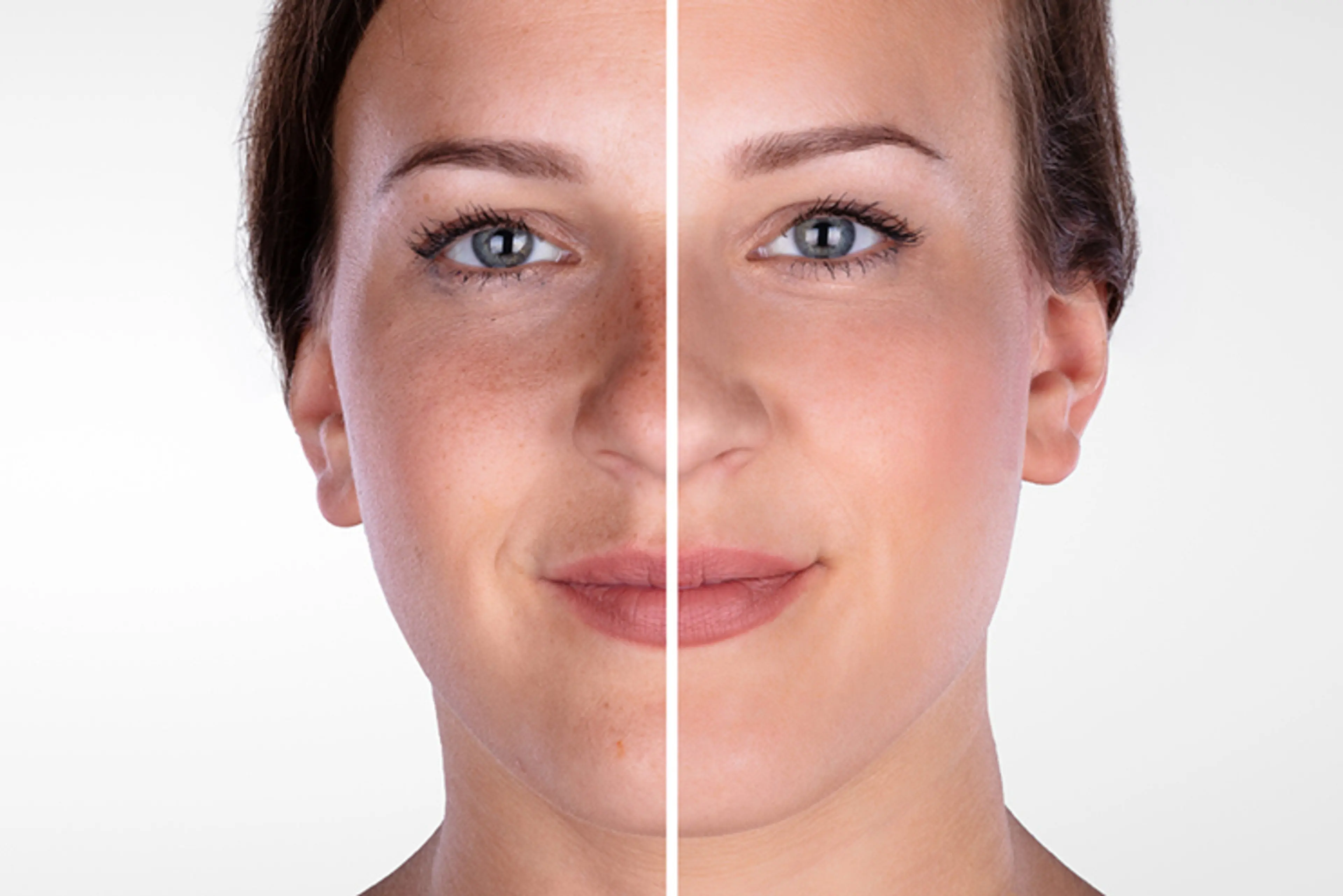
Introduction: Understanding Pigmentation Issues
introduction:-understanding-pigmentation-issuesPigmentation concerns such as uneven skin tone, dark spots, melasma, and hyperpigmentation are widespread skin conditions that affect many people globally. These concerns can arise due to various factors, including prolonged sun exposure, hormonal changes, aging, and skin inflammation. Although pigmentation issues are typically not harmful to health, they can impact an individual’s confidence and appearance, especially when they occur on visible areas like the face, hands, or neck.
Fortunately, advancements in skincare and dermatology have made it easier than ever to address pigmentation issues effectively. Treatments range from non-invasive options like topical creams and serums to advanced procedures such as lasers and chemical peels, all designed to restore an even skin tone and improve overall skin health.
What is Pigmentation?
what-is-pigmentationPigmentation refers to the natural color of your skin, which is primarily determined by melanin, the pigment produced by melanocytes in the skin. Melanin serves a protective function by absorbing UV radiation, helping to shield the skin from the harmful effects of the sun. The amount and type of melanin present in the skin determine its color.
However, when melanin production is disrupted—either by overproduction or underproduction—pigmentation issues such as dark spots or patches can develop. These conditions can manifest in various forms, from freckles and age spots to more pronounced issues like melasma and post-inflammatory hyperpigmentation (PIH).
Types of Pigmentation Disorders
types-of-pigmentation-disordersSeveral distinct types of pigmentation problems can affect individuals:
Hyperpigmentation: This condition occurs when there’s an excess of melanin in localized areas, leading to dark patches or spots. Hyperpigmentation can result from sun exposure, aging, and inflammation, often appearing on the face, hands, and other exposed areas.
Melasma: Often triggered by hormonal changes (e.g., pregnancy, birth control), melasma causes brown or grayish-brown patches, typically on the face, particularly around the cheeks, forehead, and upper lip.
Age Spots: Also known as sun spots or liver spots, these develop over time due to prolonged sun exposure and typically appear on areas like the face, hands, or shoulders.
Post-inflammatory Hyperpigmentation (PIH): This occurs following skin trauma, such as acne, cuts, or insect bites, leading to dark spots as the skin heals.
What Causes Pigmentation?
what-causes-pigmentationThere are several key factors that contribute to pigmentation issues:
there-are-several-key-factors-that-contribute-to-pigmentation-issues:UV Exposure: Sun exposure is one of the most significant causes of pigmentation problems. UV rays stimulate melanin production, which can lead to dark spots, especially in those with fair skin.
Aging: As we age, our skin’s ability to regenerate slows down, allowing pigment to accumulate in certain areas. This is particularly noticeable on areas frequently exposed to the sun, such as the face and hands.
Hormonal Fluctuations: Hormonal changes, especially during pregnancy or while using birth control, can trigger an overproduction of melanin, leading to conditions like melasma.
Skin Inflammation: Conditions like acne, eczema, or other forms of skin irritation can lead to PIH once the skin heals, leaving behind darkened areas.
Treating Pigmentation: A Scientific Approach
treating-pigmentation:-a-scientific-approachPigmentation treatments work by addressing melanin production, either by reducing its excess or removing the pigment already present in the skin. Different treatments target different aspects of pigmentation, from exfoliating the skin to directly inhibiting melanin production.
Some treatments, like chemical peels, exfoliate the skin to reveal fresh, even skin underneath. Others, such as laser therapies, target and break down deep pigment deposits, which are then naturally eliminated by the body.
Popular Treatments for Pigmentation
popular-treatments-for-pigmentation
Laser Treatments: Precision for Deep Pigment Removal
laser-treatments:-precision-for-deep-pigment-removalLaser therapies, such as Q-switched Nd:YAG lasers, are among the most effective treatments for pigmentation concerns. These lasers work by targeting and breaking down the pigment in the skin, allowing the body to eliminate the broken-down pigment naturally.
Benefits: Laser treatments often show significant improvements in skin tone and pigmentation after just a few sessions. Minimal downtime is needed, with most patients experiencing only mild redness or swelling.
Chemical Peels: A Fresh Start for Your Skin
chemical-peels:-a-fresh-start-for-your-skinChemical peels are designed to exfoliate the skin by removing damaged skin layers, revealing fresher and more even skin underneath. These peels vary in intensity, with superficial peels suitable for mild pigmentation, while deeper peels are used for more stubborn spots.
Expected Results: Chemical peels improve skin tone and texture, with many patients seeing visible changes in just a few weeks. Multiple sessions may be needed for optimal results.
Topical Treatments: Gradual Fading of Dark Spots
topical-treatments:-gradual-fading-of-dark-spotsFor non-invasive treatment options, brightening serums and creams containing ingredients like Vitamin C, niacinamide, and retinoids are commonly used. These products work by reducing melanin production and improving skin tone over time.
Key Ingredients:
Vitamin C: Known for its antioxidant properties, Vitamin C helps lighten dark spots and protects the skin from environmental stressors.
Niacinamide: This form of Vitamin B3 reduces melanin production and is gentle on sensitive skin.
Retinoids: Retinoids boost cell turnover, helping fade dark spots and improve skin texture.
Hydroquinone: A potent skin-lightening agent that can be effective for treating hyperpigmentation.
Exfoliation and Retinoid Treatments
exfoliation-and-retinoid-treatmentsExfoliation plays an important role in treating pigmentation. It helps remove dead skin cells that may trap pigment, while also promoting the turnover of fresh skin cells. Regular exfoliation, combined with retinoids, can accelerate the fading of dark spots and improve overall skin texture.
Natural Remedies: Gentle Alternatives
natural-remedies:-gentle-alternatives
For those looking for natural solutions, ingredients like aloe vera, turmeric, and licorice extract are known for their skin-brightening and anti-inflammatory properties. While they may not provide immediate results like professional treatments, they can help soothe the skin and maintain a clear complexion.
Choosing the Right Pigmentation Treatment
choosing-the-right-pigmentation-treatmentWhen selecting a pigmentation treatment, it’s crucial to consider the type and severity of the pigmentation, as well as skin type. Consulting with a qualified dermatologist or skincare expert like
Dr. SoonDong Kim at
SoonPlus Plastic Surgery can help you identify the most appropriate treatment for your skin.
Conclusion: Achieving a Clear, Even Complexion
conclusion:-achieving-a-clear-even-complexionWith the right treatments, achieving an even skin tone is possible. Whether opting for laser therapies, chemical peels, or topical treatments, addressing pigmentation concerns can boost your self-esteem and improve the overall health of your skin. Always work with a trusted professional, like Dr. SoonDong Kim, to create a personalized treatment plan tailored to your unique needs.
Call to Action: If you're ready to restore your skin’s natural radiance, schedule a consultation today with
Dr. SoonDong Kim at
SoonPlus Plastic Surgery. Explore advanced pigmentation treatments designed to help you achieve even, beautiful skin.