Home / Articles
What Are the Advantages of Fat Grafting in Rhinoplasty?
Home / Articles
What Are the Advantages of Fat Grafting in Rhinoplasty?
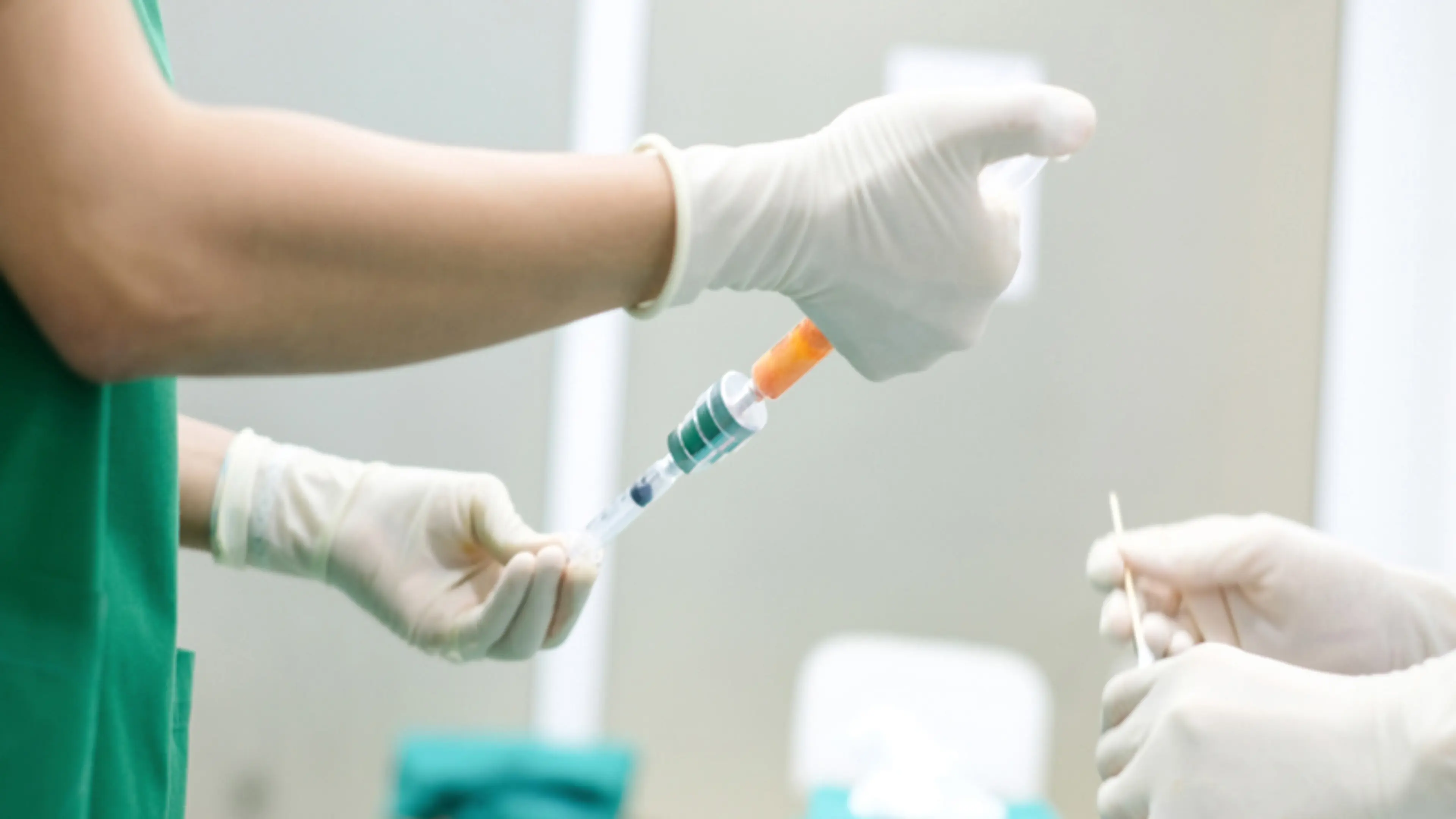
Before discussing its advantages, let’s clarify what fat grafting actually involves. Fat grafting refers to the process of harvesting a patient’s own fat—typically from areas like the thighs, abdomen, or flanks—processing it to remove impurities, and reinjecting it into targeted areas of the face or nose. In rhinoplasty, the fat is carefully placed into or around the nasal framework to address specific aesthetic or reconstructive goals. These include filling volume-deficient areas, softening contour irregularities, enhancing the skin-soft-tissue envelope, and creating smoother transitions between nasal subunits.
Unlike fillers or implants, which are foreign materials, autologous fat is naturally biocompatible and integrated by the body. While not all transferred fat survives long term, a significant portion typically persists after initial healing, contributing to a lasting improvement in nasal aesthetics.
Fat grafting uses your own tissue, which means the risk of allergic reactions or rejection is virtually nonexistent. Unlike synthetic fillers or silicone implants, autologous fat integrates seamlessly with the body. This reduces the risk of inflammation or foreign body complications. Especially for patients with sensitive skin or a history of filler-related issues, fat grafting offers a gentler, more harmonious solution.
One thing many people don’t realize is that fat contains more than just adipocytes. It also carries stem-like cells, growth factors, and other regenerative components that can improve the health of overlying skin. For patients with thin nasal skin or scarring from prior surgery, fat grafting helps restore skin thickness and elasticity. This soft-tissue enhancement contributes to a smoother appearance and can make the underlying nasal framework less visible.
After reshaping cartilage or bone during rhinoplasty, there can be small contour defects or unevenness—especially if the skin is thin or there’s preexisting asymmetry. Fat grafting provides an elegant way to camouflage these imperfections. By placing fat with precision, we can smooth transitions along the dorsum, radix, tip, or alar regions, helping the nose look more polished and natural from all angles.
In select cases, fat grafting allows us to achieve aesthetic improvements without resorting to more aggressive structural interventions. For example, minor dorsal augmentations or tip refinements may not require rib cartilage grafts if subtle volume can be achieved with fat. This can mean shorter operating times, reduced tissue trauma, and a gentler recovery process.
Fat can be layered with remarkable precision. This allows surgeons to sculpt subtle refinements and adjust symmetry in ways that are difficult with solid grafts. For example, we often use microfat or nanofat for fine adjustments around the radix or tip. This level of finesse is particularly important in ethnic rhinoplasty, where preserving soft transitions and respecting cultural ideals of beauty are paramount.
Another practical advantage: the area where fat is harvested is often contoured in the process. For patients who wish to improve abdominal or thigh contours, this becomes a welcome secondary benefit. While the goal is not body sculpting, the liposuction involved in harvesting fat can contribute to a more balanced overall silhouette.
Many patients initially consider fillers for minor nasal refinements, but over time, the cost of repeated injections can exceed that of a single fat grafting procedure. Additionally, fat grafting avoids some of the long-term risks associated with synthetic fillers, such as migration or granuloma formation. For patients seeking stability and peace of mind, fat grafting offers a more permanent, natural-feeling alternative.
In patients with thin nasal skin, particularly common among East Asian or post-surgical cases, even well-placed cartilage grafts can become visible over time. Fat grafting provides a protective buffer, thickening the skin-soft-tissue envelope and preventing sharp shadows or unnatural contours. It enhances the quality of coverage over the nasal dorsum and tip, making surgical changes more subtle and sophisticated.
With age, the face (including the nose) can lose volume in soft tissues, leading to hollowness or bony prominence. Fat grafting replenishes this lost volume, helping the nose blend more naturally with surrounding features. Especially in patients undergoing comprehensive facial rejuvenation, fat transfer enhances facial harmony and supports long-term tissue quality.
While fat grafting has many benefits, we believe in educating patients about its limitations—because realistic expectations lead to greater satisfaction.
Not all transferred fat survives. Typically, about 50–70% of the grafted fat persists after 3–6 months, depending on technique, vascularity, and patient factors. Some resorption is normal, which is why we may slightly overcorrect or plan a staged touch-up. This doesn’t mean the procedure failed—it reflects the biological nature of fat grafting.
Though fat grafting is minimally invasive, it is still a surgical procedure. Some swelling, bruising, or tenderness can occur at both the donor and recipient sites. These effects are generally mild and temporary. With careful planning, most patients return to normal activities within a week, and full results become apparent over a few months.
From our extensive experience with Korean and international patients, we’ve found fat grafting to be a versatile tool that adds value far beyond what many expect. Here are some clinical insights that set our approach apart.
It’s not enough to sculpt cartilage and bone beautifully. The soft-tissue envelope—your skin and the layer beneath—plays a defining role in the final result. Without balance between structure and softness, even technically perfect rhinoplasty can look off. Fat grafting allows us to complete the aesthetic story by refining what lies above the framework.
We use advanced imaging and 3D simulations to predict how small additions of volume will affect nasal shape and profile. This allows us to plan not only structural modifications but also soft-tissue augmentation, giving patients a clearer understanding of what to expect and how subtle changes will contribute to overall harmony.
Especially in noses that have undergone prior surgery, the skin may be compromised—thinned, less vascularized, or scarred. Fat grafting introduces regenerative cells and promotes improved circulation. This can lead to better healing, reduced risk of future complications, and a more resilient skin cover for future aesthetic maintenance.
In revision rhinoplasty, we often encounter situations where additional cartilage is either unavailable or would cause excessive donor site morbidity. Fat grafting offers a less invasive yet effective way to restore contour, symmetry, and softness. It's also invaluable in patients who’ve undergone multiple filler injections and now seek a more stable, integrated result.
We begin by analyzing the structural framework: bone shape, cartilage strength, and the desired aesthetic direction.
We evaluate soft-tissue thickness, skin quality, and areas prone to irregularity or hollowness.
Harvesting is performed gently with specialized cannulas to protect fat viability. Processing is done using refined purification techniques.
Injection is done layer by layer, using microcannulas for precision. Placement varies depending on whether we’re camouflaging, augmenting, or softening contours.
Follow-ups include close monitoring and, when necessary, touch-up sessions to refine outcomes.