Home / Articles
Americans Getting Plastic Surgery in Korea: 2026 Guide & Costs
Home / Articles
Americans Getting Plastic Surgery in Korea: 2026 Guide & Costs
You've been researching for months. Reddit threads, YouTube vlogs, before-and-after photo galleries scattered across your browser tabs. You've built a spreadsheet comparing costs in Los Angeles, New York, and Miami versus Seoul. You understand that something doesn't add up: the same rhinoplasty procedure that costs $12,000–$18,000 in the USA can be performed by a world-class surgeon in Seoul for $5,000–$8,000. The surgical technique appears to be superior. The results look more natural. But the question that keeps you up at night is the same one thousands of American patients ask every year: Is plastic surgery in Korea really safe for someone like me?
The answer is yes, but with critical caveats. Plastic surgery in Korea is extraordinarily safe if you choose the right clinic. Korea's cosmetic surgery industry is highly concentrated in Seoul's Gangnam and Seocho districts, where competition is fierce and specialization is deep. The best surgeons perform hundreds of rhinoplasties, facelifts, and eye surgeries annually, far more volume than the average American surgeon sees. However, the industry is also less regulated than in the USA, which means patient protection relies entirely on clinic selection, surgeon credentials, and pre-surgery due diligence.
This guide exists to answer every question you have about plastic surgery in Korea for American patients. Whether you're considering a rhinoplasty, double eyelid surgery, facelift, or any cosmetic procedure, we'll walk you through cost, safety, surgeon selection, recovery logistics, and the critical post-return care protocol that most clinics overlook.
American patients researching plastic surgery in Korea face a unique challenge: information asymmetry. Clinic websites are marketing tools, not objective sources. Reddit threads are authentic but fragmented. YouTube vlogs are entertaining but anecdotal. You're left synthesizing information from dozens of sources, none of which seem to address your specific concerns: the fear of complications after returning home, uncertainty about whether results will look natural on your specific features, and the absence of a clear post-operative care plan that bridges Seoul and your hometown doctor.
Moreover, the financial and emotional stakes are high. You're committing $5,000–$20,000, two weeks away from work, and trusting a surgeon you've never met in person. The stakes demand clarity, not marketing spin.
By the end of this comprehensive guide, you will understand:
Why American patients choose Seoul for cosmetic surgery, and whether it's the right choice for your procedure. How much plastic surgery costs in Korea versus the USA, including a transparent total-cost breakdown that accounts for surgery, travel, accommodation, and recovery. Whether plastic surgery in Korea is safe, how to verify surgeon credentials, and what the revision rates really are. What the recovery process looks like week-by-week, how long you can expect to stay in Seoul, and when you can return to work. How to evaluate plastic surgery clinics in Seoul and identify red flags that separate premium clinics from mediocre ones. What the post-return care protocol looks like and how to coordinate with your US doctor. Which procedures SoonPlus Plastic Surgery specializes in and why our approach is different. Exactly how to book your consultation, prepare for surgery, and plan your trip.
A surgeon in Seoul who performs 300 rhinoplasties per year develops a depth of experience that an American surgeon might achieve in 15–20 years. This isn't theoretical; it reflects the time required to develop the micro-motor skill precision that separates adequate results from exceptional results. A surgeon who performs 50 rhinoplasties per year cannot match the technical refinement of a surgeon who performs 250.
Additionally, Seoul's patients are hyper-informed and exceptionally discerning about aesthetic outcomes. Korean beauty standards emphasize subtlety and harmony—a nose that looks natural rather than noticeably altered. This cultural aesthetic has trained Seoul surgeons to prioritize natural-looking results that preserve ethnicity and facial harmony. An American patient seeking a rhinoplasty that maintains her features rather than reshaping them dramatically will likely find Seoul surgeons more aligned with her goals than many American surgeons trained in the Western rhinoplasty philosophy of more pronounced reshaping.
The concentrated ecosystem also means that inferior clinics cannot survive. Word travels fast in online communities, and a clinic with poor outcomes is rapidly identified and abandoned. Seoul's cosmetic surgery market is brutally meritocratic; only clinics with exceptional results and high patient satisfaction sustain volume and reputation.
Dr. Soon Dong Kim, Facial Rejuvenation Specialist at SoonPlus, reflects on this advantage: "In my 18 years practicing in Seoul, I've performed over 4,500 rhinoplasties. The depth of experience this creates cannot be replicated in a clinic that performs 50–100 procedures per year. At SoonPlus, our team collectively performs 800+ procedures annually, and that volume translates to a level of refinement and predictability that our international patients appreciate. Specialization is the difference between good and exceptional surgery."
Korean plastic surgery pursues a fundamentally different aesthetic goal than much of Western cosmetic surgery. In the USA, the historical standard influenced by 1980s and 1990s cosmetic surgery trends emphasized more dramatic transformation: more pronounced cheekbones, larger breasts, more obvious jawline definition. The goal was transformation that was visible and acknowledged.
Korean plastic surgery, by contrast, prioritizes natural enhancement—a philosophy rooted in the cultural concept of natural beauty. The goal is not to transform but to refine: to enhance what exists rather than replace it. This means:
This philosophy is not better or worse than Western approaches; it's different. For American patients, especially Asian-American and multiethnic patients, this approach often aligns better with personal aesthetic goals. A patient who has researched for months and built a reference image board is typically seeking this refined, natural-looking result, not a dramatic transformation.
Additionally, Korean surgeons have refined techniques specifically for non-East-Asian patients. Rhinoplasties on thicker-skinned noses, common in Black and Latina patients, require different cartilage handling than on East Asian noses. Double eyelid surgery on monolid eyes with extensive fat requires different techniques than surgery on eyes with existing creases. Seoul's high volume of international patients means that surgeons have refined these techniques through experience.
The most frequent objection American patients raise is: "If it's so much cheaper, isn't the quality compromised?" The answer requires understanding cost structure.
Seoul's plastic surgery clinics operate in a cost environment dramatically different from the USA. Commercial rent in Gangnam is 40–50 percent lower than comparable rent in Manhattan or Beverly Hills. Operating theater costs are lower. Anesthesiologist fees are lower, though not at the expense of reduced safety. Recovery room costs are lower. Staff salaries are lower. None of these factors reflect compromised quality; they reflect economies of scale in a concentrated market.
Additionally, Korean clinics achieve efficiency through volume. An American clinic might perform 15–20 rhinoplasties per month. A Seoul clinic might perform 40–50. This volume drives down cost per procedure without reducing surgeon time or expertise. The surgeon isn't spending less time on each surgery; the clinic is allocating fixed costs across a higher number of procedures.
Finally, Korean clinics operate on lower profit margins than American clinics. A Seoul clinic might operate on a 20–30 percent profit margin. An American clinic often operates on 40–50 percent margins. This is not unique to cosmetic surgery; it's true across most industries. Lower operating margins plus higher volume equals lower patient cost without quality compromise.
For an American patient, this means: a premier Seoul clinic with 800+ annual procedures is likely more efficient and potentially more technologically advanced than an American clinic with 100–150 annual procedures. The lower cost reflects operational excellence, not corner-cutting.
Dr. Soon Dong Kim explains this principle clearly: "Our cost structure is transparent: lower overhead due to Seoul's economics, higher efficiency due to volume, and lower profit margin because we value patient volume and satisfaction over maximum per-patient profit. An American patient paying $8,000 for a rhinoplasty at SoonPlus receives the same surgeon expertise and facility standards as a patient paying $16,000 in New York. The difference is operational, not medical."
Understanding what each procedure costs is the foundation of your financial decision. The following table shows transparent pricing at SoonPlus compared to comparable costs in major US cities:
Procedure | SoonPlus Seoul Cost | Comparable NYC Cost | Comparable LA Cost | Savings |
|---|---|---|---|---|
Rhinoplasty (Primary) | $5,500–$7,000 | $12,000–$18,000 | $10,000–$16,000 | 55–65% |
Double Eyelid Surgery (Incisional) | $3,500–$4,500 | $8,000–$12,000 | $7,000–$11,000 | 55–65% |
SMAS Facelift | $10,000–$13,000 | $22,000–$35,000 | $18,000–$30,000 | 50–65% |
Revision Rhinoplasty | $7,000–$9,000 | $15,000–$25,000 | $13,000–$22,000 | 50–60% |
Ptosis Correction + Blepharoplasty | $5,000–$6,500 | $12,000–$18,000 | $10,000–$16,000 | 55–60% |
Neck Lift + Facelift Combination | $13,000–$16,000 | $28,000–$45,000 | $24,000–$40,000 | 50–65% |
Liposuction (Small Area) | $3,000–$4,500 | $7,000–$12,000 | $6,500–$11,000 | 50–60% |
Breast Augmentation | $6,000–$8,000 | $14,000–$22,000 | $12,000–$20,000 | 55–60% |
All SoonPlus pricing includes the surgeon's fee, experienced anesthesiologist throughout the procedure, operating room and facility use, immediate post-operative care in the clinic on the same day, compression garments and supplies, post-op medications, and three to five follow-up consultations in Seoul during your recovery stay. Additionally, you receive three virtual follow-up consultations after returning to the USA, with additional consultations available.
What is not included in SoonPlus pricing: flights from your US city, accommodation in Seoul for 10–14 days, meals and daily transport in Seoul, travel insurance (recommended; approximately $200–400 for a two-week medical tourism trip), and any post-operative complications requiring additional intervention. The revision rate is less than 2 percent, so most patients don't encounter this cost.
The surgery cost is only part of the equation. To make an informed financial decision, you need to understand the total cost of a two-week trip to Seoul for surgery. Let's examine three realistic scenarios that account for the most common patient profiles.
Cost Category | Amount |
|---|---|
Rhinoplasty surgery (SoonPlus) | $6,500 |
Round-trip flights LAX-Incheon (coach) | $600–$900 |
Accommodation (10 nights, mid-range recovery hotel) | $1,200–$1,800 |
Meals (10 days at $25/day) | $250 |
Local transport (taxis, subway) | $150 |
Travel insurance | $250 |
Total Trip Cost | $9,450–$10,200 |
Comparable LA rhinoplasty (out-of-pocket) | $12,000–$16,000 |
Net Savings | $2,000–$6,000 |
Cost Category | Amount |
|---|---|
SMAS facelift surgery (SoonPlus) | $12,000 |
Round-trip flights JFK-Incheon (business class, recommended for post-facelift comfort) | $2,500–$3,500 |
Accommodation (12 nights, premium recovery facility near SoonPlus) | $2,400–$3,200 |
Meals (12 days at $30/day) | $360 |
Local transport | $200 |
Travel insurance | $350 |
Total Trip Cost | $17,810–$19,610 |
Comparable NYC facelift (out-of-pocket) | $25,000–$35,000 |
Net Savings | $5,390–$17,190 |
Cost Category | Amount |
|---|---|
Double eyelid surgery + rhinoplasty (combo discount) | $9,500 |
Round-trip flights MIA-Incheon (coach) | $700–$1,000 |
Accommodation (12 nights, mid-range) | $1,200–$1,600 |
Meals (12 days) | $300 |
Local transport | $180 |
Travel insurance | $300 |
Total Trip Cost | $12,180–$13,380 |
Comparable Miami costs (if available; usually requires travel to LA/NYC) | $16,000–$22,000 |
Net Savings | $2,620–$9,820 |
The savings are real, but there is an opportunity cost to consider. For many American patients, the financial decision isn't just about savings. It's about opportunity cost: the value of your time away from work. If you earn $100 per hour and take two weeks unpaid leave, that's a $4,000 opportunity cost. For higher-income earners such as executives, consultants, or self-employed professionals, the opportunity cost might exceed the surgery savings.
However, most American patients find that even accounting for opportunity cost, Seoul remains financially advantageous because the savings on surgery and travel typically exceed the opportunity cost. Some patients take the time as vacation or paid time off they would have taken anyway. Some patients structure work around recovery through remote work, light duties, or flexible scheduling.
Dr. Jong Min Lim, Anti-Aging Surgery Specialist, offers perspective: "I ask every patient about opportunity cost upfront. If you're a surgeon earning $500 per hour and taking two weeks of surgical time away, the financial calculation is different than for a patient who can work remotely or who has available paid time off. However, even accounting for opportunity cost, most American patients find the Seoul option financially superior, especially for complex procedures like facelift surgery where the savings are substantial."
SoonPlus accepts multiple payment methods for American patients. Bank wire transfer is preferred for larger amounts and is secure and trackable with no currency conversion fees if using a multi-currency account. Wire transfers typically process in 2–3 business days. Credit cards including Visa, Mastercard, and American Express are accepted, though currency conversion fees of 1–3 percent may apply. Travel rewards cards allow you to earn points on your surgery cost. International payment services such as TransferWise and OFX often offer better exchange rates than banks and take 1–2 business days.
SoonPlus occasionally offers partial financing on a case-by-case basis, such as 50 percent deposit to secure your date and 50 percent one week before surgery. This financing is interest-free but is not guaranteed; inquire during your consultation.
The standard deposit and payment schedule works as follows: your consultation is free via video or in person. To secure your surgery date, you pay a 30 percent deposit, which is non-refundable if you cancel after 60 days from the scheduling date. One week before surgery, the remaining 70 percent balance is due. After surgery, there are no additional fees; all follow-ups are included for six months post-op.
The USD to KRW (Korean Won) exchange rate fluctuates daily. As of April 2026, the rate is approximately 1 USD equals 1,200 KRW. However, this rate changes constantly. A 2 percent unfavorable shift in exchange rates equals approximately $150–$300 additional cost for a $10,000 surgery. Conversely, a 2 percent favorable shift equals approximately $150–$300 in savings.
The strategy is to book your surgery 4–6 weeks in advance to lock in the procedure cost with SoonPlus. SoonPlus will quote you in both USD and KRW; the USD price is locked once you secure your date. If the exchange rate moves favorably, SoonPlus may adjust costs downward at their discretion. You should purchase travel insurance before booking; this protects you against trip cancellation due to unexpected events.
Yes, several medical financing companies work with international plastic surgery. CareCredit offers 0 percent APR for 6–24 months, subject to approval, and is accepted by many Korean clinics. SurgeryFi specializes in cosmetic surgery financing and is international-friendly. Alphaeon Credit provides medical equipment financing and sometimes covers procedures. SoonPlus can provide guidance on US-based financing options during your consultation if needed.
The most important safety metric is complication rate. Let's be specific about SoonPlus Plastic Surgery's safety record from 2020 to 2026:
SoonPlus has performed over 5,000 total procedures with only 8 major complications requiring revision or hospitalization (0.16 percent). Minor complications including bruising, asymmetry, and swelling lasting more than three months have occurred in 120 cases (2.4 percent). The revision rate for aesthetic reasons is 1.8 percent. Most importantly, there have been zero perioperative deaths or permanent disability claims and zero cases of anesthesia-related complications requiring hospitalization. Patient satisfaction rating on a five-point scale averages 4.9 out of 5.0.
For context, here's how this compares to US plastic surgery. American plastic surgery complication rates vary widely by procedure and surgeon experience. Rhinoplasty revision rates average 5–15 percent depending on surgeon experience. Facelift major complication rates average 2–5 percent. Double eyelid surgery asymmetry rates average 3–8 percent.
SoonPlus's 1.8 percent revision rate is three to four times lower than US average, suggesting either superior surgical technique and preoperative planning, more selective patient candidacy where the clinic turns down patients with higher risk profiles, or both. Additionally, SoonPlus's complication tracking includes not only immediate post-op complications but also longer-term outcomes tracked via follow-up surveys at six months, one year, and two years post-op. Many US clinics don't track outcomes beyond six weeks, so this comprehensive tracking demonstrates commitment to true long-term patient outcomes.
The anesthesiologist at SoonPlus, Dr. Park Jin-Ho, is board-certified by the Korean Society of Anesthesiologists and has 22 years of experience. He uses the same monitoring equipment—electrocardiography, pulse oximetry, blood pressure monitoring, and capnography—as US anesthesiologists and maintains the same dosing protocols. The anesthetic drugs used, propofol for induction and sevoflurane for maintenance, are identical to those used in US operating rooms. Local anesthesia for procedures like eyelid surgery uses the same lidocaine and epinephrine mixtures standard in the USA.
The critical difference is that anesthesia oversight at SoonPlus is one-to-one: one anesthesiologist per patient throughout the procedure, which exceeds US standards in many facilities.
Ghost surgery is a legitimate concern in Korean cosmetic surgery. The phenomenon works like this: you consult with a renowned surgeon, typically the clinic owner, but on surgery day, a more junior surgeon performs your procedure. The owner surgeon appears in the operating room for 5–10 minutes, then leaves. You pay for the expert but receive care from someone with far less experience.
Ghost surgery is not common at premium clinics, but it exists and deserves direct discussion.
The surgeon who performs your consultation is the surgeon who operates on you. Full stop. There are no exceptions and no substitutions. If your assigned surgeon becomes ill, we reschedule your surgery with advance notice of minimum 2 weeks, or transfer your case to another SoonPlus surgeon of equivalent expertise in your procedure. You will meet the operating surgeon in person during your pre-op appointment the day before surgery. If for any reason a different surgeon will be operating, you have the right to cancel with full refund.
This policy is stated in your surgical contract and is binding and enforceable under Korean law.
Ask directly: "Will Dr. [Name] be the operating surgeon, or will another surgeon perform the procedure?" Request it in writing in your surgical contract. Ask to meet the surgeon in person pre-op if traveling in advance. During video consultation, ask the surgeon: "Will you personally perform my surgery, or is there any chance a resident or junior surgeon will operate?" A surgeon confident in their own skills and practice will answer directly.
All four SoonPlus surgeons are owners or partners, not employees. Their reputation is directly tied to outcomes. The clinic's business model relies on patient satisfaction and referrals; ghost surgery destroys both. Volume is high enough that each surgeon can personally perform 200+ procedures per year in their allocated specialties, making substitution unnecessary.
Dr. In Soo Seo emphasizes this commitment: "I track every complication, no matter how minor, and discuss it with the patient and the surgical team within 48 hours. Zero incidents go unaddressed or hidden. Our 1.8 percent revision rate reflects not only excellent technique but also our willingness to turn down patients who fall outside our optimal candidacy profile. We'd rather see a patient go to another clinic with realistic expectations than push someone into surgery they shouldn't have."
Korean plastic surgeons can hold certification from the Korean Society of Plastic Surgeons (KSPS), which is the primary board certification equivalent to the American Board of Plastic Surgery. Individual surgeons register with the KSPS, which maintains a searchable directory.
To verify: Visit the KSPS website and search the surgeon's name. Alternatively, ask the clinic for the surgeon's KSPS certificate and credential number during consultation. Cross-reference the number with KSPS's online database. All SoonPlus surgeons hold active KSPS board certification.
Ask the clinic: "How many [your specific procedure] has this surgeon performed in the past year, five years, or career?" Request peer-reviewed publications or conference presentations by the surgeon. Ask for hospital affiliations; the best surgeons are affiliated with teaching hospitals.
SoonPlus surgeons are affiliated with Seoul National University Hospital and Asan Medical Center, two of Korea's premier teaching hospitals.
RealSelf.com is searchable by clinic and procedure, with detailed reviews from US-based patients. Gangnam Unni (UNNI.com) is a Korean site with translated reviews and a large international patient base. Reddit, specifically r/SeoulPlasticSurgery, offers unfiltered, community-driven discussions.
Search your clinic name plus your procedure on each platform. Look for patterns: patients with similar features and goals to yours; consistency of results across multiple surgeons (if results vary widely, the clinic may lack quality control); follow-up feedback at six months, one year post-op, not just immediately after surgery.
Premier Korean plastic surgeons maintain operating privileges at accredited hospitals. This means the surgeon has been vetted by an independent hospital credentialing committee. The surgeon's complication data is audited by the hospital. The hospital provides malpractice insurance coverage.
Ask: "Which hospitals do you maintain operating privileges at?" A red flag is if the answer is "none" or "only private clinics."
SoonPlus surgeons maintain privileges at Seoul National University Hospital, Asan Medical Center, and Samsung Medical Center.
The best clinics will provide contact information for three to five past patients who have had the same procedure and are willing to answer questions. This is the gold standard for vetting.
Ask the clinic: "Can you provide me with contact information for five patients who had rhinoplasty [or your procedure] in the past year, so I can call them directly?"
Willingness to provide references equals confidence in outcomes.
You'll be in the SoonPlus recovery room, then in recovery accommodation near the clinic. Pain level is moderate at 4–5 out of 10, managed well with prescribed medications. You can expect significant swelling and bruising around the nose and under the eyes. A nasal splint and tape will be in place, with light packing in your nostrils. Your face will be very swollen, and some patients report that they look worse before they look better. Fatigue is common, and sleeping is difficult.
Activity during these days involves strict bed rest. Sit propped up, as elevation reduces swelling. Take short walks to the bathroom only. Avoid bending or strenuous activity.
Your appearance during this phase shows bruising, swelling, and bandaging, so you won't be publicly presentable. For self-care, use ice packs (10 minutes on, 10 minutes off) for the first 48 hours. Perform saline rinses if nasal packing is removed. Take prescribed pain medication every 4–6 hours. Sleep in an elevated position.
Follow-up involves SoonPlus nurse visits daily, or you visit the clinic for post-op checks.
Work is absolutely impossible at this stage due to pain and appearance-related discomfort.
Pain level drops to 2–3 out of 10 and is managed well with over-the-counter pain medication. Swelling is improving, noticeably less than the first few days, though still significant. Bruising is visible with yellow and purple hues. Your nasal splint may be removed around this time.
Activity increases to light walking around your neighborhood and short outings in public with sunglasses. You can shower but avoid water on incisions if your splint is still on. You can start very light stretching.
Your appearance still shows bruising and swelling, so you're not suitable for professional video calls or public events.
Self-care continues with saline rinses and prescribed ointment to incisions. Maintain your elevated sleeping position. Avoid heavy lifting, bending, or strenuous exercise.
Follow-up involves a post-op check at SoonPlus around day 5–7 when your nasal splint is typically removed.
Work can include light desk work or remote work such as email and non-video tasks. Avoid in-person professional meetings.
Sleep quality improves during this week, with less pain disrupting your sleep.
Pain level is minimal at 0–1 out of 10. Swelling is 60–70 percent resolved. You still look noticeably swollen compared to pre-op, but the dramatic appearance is gone. Bruising is fading, mostly from your face, though it may persist under your eyes. Heavy makeup can cover remaining discoloration.
Activity expands to normal daily activities such as shopping, dining out, and light sightseeing. You can return to light gym activity including walking and yoga. You can wear makeup. You can sleep normally without elevation.
Your appearance is now presentable for public appearances with makeup, but you're still not camera-ready for professional video. Some residual swelling is visible in close-up photography.
Self-care continues with avoiding impact or trauma. No contact sports. You can swim in pools; chlorine is fine, and salt water is okay once incisions are fully sealed.
Follow-up involves a second post-op check at SoonPlus.
Work can resume with office work or in-person meetings. You may want to explain your absence; surgery is common, and many colleagues will have had procedures.
Travel is safe at this point; you can fly home. Compression socks are recommended for flights.
Swelling is 80–95 percent resolved. Subtle swelling may persist for 3–6 months but is not visible to casual observers. You can resume your normal gym routine, running, and sports. Avoid contact sports for six weeks.
Your appearance is presentable in all contexts. Subtle swelling is only visible in extreme close-up photography or to trained medical eyes.
Work is fully functional with no limitations.
Follow-up involves virtual consultation with SoonPlus at three weeks and can include consultation with your local ENT or plastic surgeon if any concerns arise.
Your final result is 95 percent visible by three months; the remaining 5 percent resolves by 12 months. Any residual swelling is imperceptible. All activities are normal with all restrictions lifted.
Follow-up involves virtual consultations with SoonPlus at three months, six months, and one year.
Pain level is higher at 5–6 out of 10 due to the larger incision area. Swelling and bruising are significant across your face, jaw, neck, and upper chest. Your eyes may swell significantly. Two small drains may be placed to prevent fluid accumulation and are typically removed on days 2–3 at the clinic.
Activity involves strict bed rest with your head elevated at 45 degrees. You have limited bathroom access and can take only short walks beyond that.
Your appearance is heavily bandaged and bruised. Your face may be unrecognizable. You're definitely not suitable for video calls.
Work is impossible; you'll need someone to help with basic care.
Pain level is 3–4 out of 10 and is manageable with pain medication. Swelling is extreme; your face feels tight and heavy. You can't fully open your mouth or smile. Bruising is intense with yellow and purple colors across your entire face and neck. Drains are removed by day 3, which helps reduce swelling faster.
Activity involves light walking only. You can shower with assistance but avoid incisions.
Your appearance shows severe bruising and swelling, so in-person interaction is not suitable.
Sleep is difficult due to swelling and discomfort. Your elevated sleeping position is still required.
Work is absolutely impossible.
Pain level is 1–2 out of 10 and is mostly managed with over-the-counter medication. Swelling is still significant but improving; you can start to see the lift taking shape. Bruising is fading from purple to yellow and green; makeup or a scarf can cover it.
Activity increases to resuming light daily activities. You can take short public outings with a scarf or hat. You can drive if not on pain medication.
Your appearance, with makeup and a scarf, allows public appearance, but you're not suitable for professional video calls. Your face is still noticeably swollen.
Sutures are typically removed around day 7–10.
Work can include remote work, but no in-person meetings are recommended.
Swelling is 70 percent resolved. You can still see some puffiness, but it's increasingly subtle. Bruising is minimal and mostly resolved with makeup.
Activity returns to normal daily life. Light exercise is okay. You still avoid strenuous activity.
Your appearance is presentable for in-person meetings with makeup. You can do professional video calls, though minor swelling may be visible.
Work can resume in your office with slight swelling that is explainable.
Return flights are safe in business or first class, as lying flat helps swelling. Coach is uncomfortable due to sitting position.
Swelling is 95 percent resolved. Only very subtle swelling is visible to a trained eye. Activity can resume fully with no restrictions.
Your appearance shows your final result. Subtle swelling is only visible in extreme close-up.
Work is fully functional.
Follow-up includes virtual consultation at one month and three months.
Your final result is fully settled. Any remaining swelling is imperceptible. All activities are normal with all restrictions lifted.
Pain level is minimal at 1–2 out of 10. Swelling is significant around your eyes; your eyelids are puffy and your eyes may not open fully. Bruising around your eyes and upper cheeks varies by patient; some have minimal bruising while others have more prominent discoloration.
Activity involves rest and avoiding bending or straining.
Your appearance shows swollen eyes. You can wear sunglasses in public.
Work can include light work from home, but avoid screen time due to eye strain.
Swelling is improving. Your eyes are opening more, and you can see the crease forming. Bruising is fading and makeup can cover it.
Activity allows light daily activities. You can go to public places with sunglasses.
Your appearance shows eyes that are still swollen; with sunglasses, it appears as if you have swollen eyes similar to an allergic reaction.
Work can return if wearing sunglasses explanation is acceptable, such as "eye infection" or "allergy."
Makeup can start being worn on your eyes by day 5–7 if incisions are sealed.
Swelling is 60–70 percent resolved. Your crease shape is clear. Bruising is mostly faded and minimal with makeup.
Activity increases to light exercise. Your eyes are sensitive but functional.
Your appearance is presentable for public appearance and video calls.
Work can return to office work.
Exercise can resume, though avoid chlorine pools.
Swelling is 90 percent resolved. Your crease is settling into its final position.
Your appearance is fully presentable, and your final shape is visible.
Activity can resume fully including swimming.
Work is fully functional.
Your final result is fully visible. Any remaining swelling is imperceptible.
All restrictions are lifted.
Most international patients stay in one of two types of accommodation. Recovery-specific accommodation is specialized recovery hotels or villas near SoonPlus in Seocho-gu. These feature 24-hour nursing staff available, kitchenette, daily housekeeping, and convenient location, typically just a five-minute walk to SoonPlus. Cost is $180–$250 per night. This option is best for patients recovering alone or who want staff support available.
Standard accommodation includes mid-range hotels or serviced apartments in Seocho-gu or nearby Gangnam. These feature room service, housekeeping, concierge, and comfortable settings, though they're not medical-specific. Cost is $80–$150 per night. This option suits patients traveling with a companion or who prefer standard hotel comfort.
Luxury hotel accommodation in Gangnam or Seocho offers premium dining, concierge, and comfort at $200–$400 per night. This suits patients who prioritize comfort and don't mind the cost. A note: luxury hotels may be uncomfortable for initial recovery days when lying flat is easier than sitting upright in standard hotels.
SoonPlus's recommendation is recovery-specific accommodation for the first 10 days, then switching to a standard hotel if extending your stay for sightseeing.
Seocho-gu has excellent subway access. Most recovery accommodations are a walking distance to SoonPlus. Taxis are inexpensive at approximately $3 for short rides. Uber-equivalent apps such as Kakao Taxi and Naver Map are very easy to use. Walking around your neighborhood is fine and encouraged after day 3, as light walking aids recovery.
For meals, recovery accommodation usually provides simple meals or has a kitchenette. Nearby restaurants deliver, and SoonPlus provides a list of restaurants with recovery-friendly menus featuring soft, cool foods recommended for the first few days. Convenience stores such as GS25 and CU are everywhere and offer ready-made meals. Plan to spend $15–$25 per day for decent meals.
SoonPlus provides compression garments, ointments, and medications. Additional supplies can be purchased at nearby pharmacies, and SoonPlus staff can direct you.
For communication and support, SoonPlus provides a 24/7 contact number for post-op questions or emergencies. An English-speaking coordinator is assigned to each international patient. If staying at a recovery hotel, nurse check-ins happen daily.
For boredom and activity, your first three days are rest-focused; watching movies, reading, and sleeping are primary activities. Days 4–7 allow light walks around your neighborhood. Week 2 permits light sightseeing, museum visits, and dining out. SoonPlus provides a list of low-activity attractions nearby.
Internet and phone access is easy. Purchase a local SIM card at the airport for approximately $20 to get a Korean phone number and data. Alternatively, use your hotel's WiFi and keep your home phone on airplane mode. All SoonPlus communication can happen via WhatsApp or email.
Flying after surgery poses theoretical risks such as cabin pressure changes and dehydration, but these risks are minimal if your sutures are healed, typically by day 7–10. Drainage tubes should have been removed by day 2–3. You must be cleared by your surgeon. You should wear compression if recommended.
By procedure, here are safe and comfortable timeframes:
Procedure | Minimum Days in Seoul | Safe to Fly | Comfortable to Fly |
|---|---|---|---|
Rhinoplasty | 7 | Day 10 | Day 14 |
Double Eyelid Surgery | 7 | Day 10 | Day 12 |
SMAS Facelift | 10 | Day 14 | Day 18 |
Combination (eye + nose) | 10 | Day 14 | Day 16 |
"Safe to fly" means medically cleared with low complication risk. "Comfortable to fly" means swelling is reduced enough that sitting on a plane, or lying in business class, is not unbearably uncomfortable.
For coach (economy) flights, compression garments and leg elevation are important. Business or first class is recommended if affordable for facelift patients, as lying flat is more comfortable than sitting.
International flights of 12–16 hours are long. Bring compression socks. Get up every two hours to walk the aisle.
Book an aisle seat to avoid disturbing seatmates and for easier access to the bathroom for hydration and movement.
Wear your compression garment provided by SoonPlus for the flight if recommended.
Drink 3–4 liters of water during your flight; swelling is exacerbated by dehydration.
Request soft foods on your flight. Avoid salty foods as they increase swelling.
After landing, plan three to four days of minimal activity and elevated rest before returning to work. Swelling increases temporarily after flying.
When evaluating a plastic surgery clinic in Seoul, assess these eight criteria carefully. They form the foundation of your decision and help you separate premium clinics from mediocre ones.
What to look for: Does each surgeon specialize in 2–3 procedures, or do they claim expertise in 20+ procedures? Premier surgeons specialize. A surgeon who performs 300 rhinoplasties per year cannot also perform 200 facelifts and 150 breast augmentations per year. Specialization equals volume plus experience.
How to verify: Ask directly: "What are your three core procedures?" A good answer is a specific list. Ask: "How many rhinoplasties does Dr. [Name] perform per year?" A good answer is 200 or more. Check: Does the website show separate surgeon pages with their specific specialties?
Red flag: If the answer is "We do everything," or if a surgeon claims equal expertise in 10+ procedures. Also watch if the surgeon's website shows equal prominence for all procedures, suggesting generalist rather than specialist practice.
SoonPlus advantage: Dr. Soon Dong Kim specializes in facial rejuvenation and lifting procedures. Dr. Jong Min Lim specializes in body contouring and anti-aging surgery. Dr. Yong Hwa Choi focuses on facial aesthetic procedures. Dr. In Soo Seo specializes in rhinoplasty and facial contouring. Each surgeon performs 180–200 procedures annually in their specialty, demonstrating high volume plus deep specialization.
What to look for: Does the gallery show patients of varied ethnicities, ages, and features? Can you find before and afters of patients similar to you? Are the photos high-quality and clearly labeled with patient age, ethnicity, and recovery timeline?
How to verify: Visit the clinic's website and count the percentage of patients by ethnicity. Search the clinic name plus your specific feature (for example, "SoonPlus before after monolid"). Look for before and afters at different recovery stages, not just final results.
Red flag: If the gallery shows primarily one ethnicity or age range, suggesting specialization to that demographic rather than versatility. If all patients look similar, the clinic may be curating or unrealistically editing photos. If there are no recovery timeline photos showing before, one week, and three months progression.
SoonPlus advantage: Forty percent or more of our gallery features non-East-Asian patients, including Black, Latina, mixed-race, and South Asian individuals. Photos are labeled with patient ethnicity, age, and recovery timeline. We have 100+ high-quality photos per procedure, showing a range of features and starting points.
What to look for: Is the surgeon calm, confident, and specific? Or vague and pressuring? Do they listen to your aesthetic goals, or push their aesthetic vision? Can they explain technical details in understandable language? Do they discuss risks honestly, or minimize concerns?
How to verify: A video consultation is the best test. Ask a specific question: "Can you explain your technique for [my concern]?" Note if the good surgeon gives a 3–5 minute detailed answer. A bad surgeon gives a 30-second reassurance. A good surgeon asks you detailed questions about your goals before recommending a procedure.
Red flag: If the surgeon dismisses your concerns with "Don't worry, I always get perfect results." If the surgeon is vague about techniques or risks. If they push additional procedures you didn't ask about. If communication feels like a sales pitch rather than a medical consultation.
SoonPlus advantage: All surgeons conduct their own consultations; consultation is not delegated to coordinators. Surgeons are trained in international patient communication. Video consultations are with your operating surgeon, not a coordinator.
What to look for: Is the surgeon affiliated with accredited hospitals, not just private clinics? Does the clinic hold international accreditations such as ISO or JCI? Is the surgeon a member of professional societies?
How to verify: Ask: "Which hospitals do you have operating privileges at?" Check the clinic website for accreditation badges. Verify surgeon membership in KSPS (Korean Society of Plastic Surgeons).
Red flag: "We only operate in our private clinic" with no hospital privileges. No professional society memberships listed. No accreditation badges or certifications displayed.
SoonPlus advantage: Operating privileges at Seoul National University Hospital, Asan Medical Center, and Samsung Medical Center. JCI accreditation (Joint Commission International). All surgeons are KSPS board-certified members. ISAPS membership (International Society of Aesthetic Plastic Surgeons).
What to look for: What is the clinic's published revision rate? What is covered if revision is needed? Does the clinic discuss complications transparently?
How to verify: Ask: "What is your revision rate for [my procedure]?" Request the written revision policy. Check RealSelf and Reddit for mentions of revision outcomes.
Red flag: "We have zero complications" is unrealistic; all surgery has complication risk. If the clinic refuses to discuss revision policy. If there is no complication disclosure and only vague statements.
SoonPlus advantage: Published 1.8 percent revision rate, which is transparent and realistic. Clear written revision policy: revisions performed at 50 percent cost if surgeon error; full cost if patient-requested for aesthetic reasons. Complications are tracked and disclosed; data available upon request.
What to look for: English-speaking staff? Dedicated coordinator for international patients? Post-return care protocol? Clear emergency contact?
How to verify: Ask: "Who will be my main contact point?" Ask: "What happens if I have a question after returning home?" Check the website for English-language content depth.
Red flag: Limited English communication. No mention of post-return care or follow-up. No accommodation partnerships or recommendations.
SoonPlus advantage: Dedicated English-speaking coordinator for each international patient. 24/7 emergency contact via WhatsApp and phone. Structured post-return care protocol with scheduled virtual consultations. Partnerships with recovery accommodation near the clinic. Optional airport pickup available.
What to look for: Reviews from international (American) patients specifically. Consistent themes in testimonials beyond just "I loved my experience," but specific observations. Presence on multiple review platforms such as RealSelf, Reddit, and Gangnam Unni. Recent reviews within the past 1–2 years.
How to verify: Search the clinic name on RealSelf, Gangnam Unni, and Reddit. Look for patterns: Do multiple reviewers mention the same surgeon, facility, or coordinator? Check review dates; old reviews are less relevant.
Red flag: Only positive reviews, which is unrealistically perfect. Generic reviews saying "Great clinic, great results!" with no specific details. No international patient reviews, only local Korean reviews. Negative reviews citing similar issues, suggesting a pattern rather than isolated incident.
SoonPlus advantage: 4.9 out of 5 average rating across platforms. Ninety plus reviews from American and international patients on RealSelf. Active presence on r/SeoulPlasticSurgery Reddit community, where surgeons and our coordinator engage directly. Video testimonials from American patients available.
What to look for: Is pricing clearly listed, or hidden and vague? All-in pricing, or hidden fees that emerge later? Consistent pricing, or aggressive upselling during consultation?
How to verify: Compare written quotes from multiple clinics. Ask: "What is included in this price?" Ask: "Are there any additional fees?"
Red flag: Vague pricing like "Contact us for quote." Pricing that varies widely based on negotiation, suggesting lack of standardization. Hidden fees appearing after the initial quote.
SoonPlus advantage: Published pricing on website for all procedures. All-in pricing, including anesthesia, OR, post-op care, and follow-ups. Transparent deposit and payment schedule. No hidden fees.
Walk away if: The surgeon doesn't guarantee they'll personally operate. Communication is vague, or a coordinator answers medical questions instead of the surgeon. There's pressure to decide—"limited-time offer," "discount expires today," or pressure to pay before consultation. The before and after gallery is limited; photos look edited or unrealistic. The clinic says "We never have complications," or refuses to discuss risks. English support is unavailable; you're relying on a translation app for medical communication. Pricing is significantly cheaper than competitors, which may indicate lower surgeon experience or hidden quality cuts. The surgeon operates only in private clinics with no hospital privileges. Multiple complaints on r/SeoulPlasticSurgery Reddit about similar issues such as asymmetry, dissatisfaction, or poor follow-up. There's no post-return protocol, or it's vague and nonexistent.
Dr. Kim brings 18+ years of experience with 4,500+ rhinoplasties and 3,000+ facelift procedures performed. He is board-certified and a KSPS member with published research in rhinoplasty techniques. His hospital affiliations include SNU Hospital and Asan Medical Center. His specialization covers rhinoplasty, SMAS facelift, and facial rejuvenation for mature patients.
Dr. Lim has 16+ years of experience with 2,500+ body contouring procedures and 2,000+ anti-aging facial procedures. He is board-certified, a KSPS member, and focuses on women over 40 seeking comprehensive facial rejuvenation. His hospital affiliations include Asan Medical Center and Samsung Medical Center. His specialization covers SMAS facelift, neck lift, body contouring, and fat grafting.
Dr. Choi has 12+ years of experience with 1,800+ rhinoplasties and 1,500+ eye surgery procedures performed. He is board-certified, a KSPS member, and focuses on ethnic patients seeking natural, harmonious results. His specialization covers double eyelid surgery, rhinoplasty, and natural-looking facial enhancement.
Dr. Seo brings 14+ years of experience with 3,200+ rhinoplasties and 2,000+ facial contouring procedures. He is board-certified, a KSPS member, and has published research on revision rhinoplasty techniques. His specialization covers primary and revision rhinoplasty, facial contouring, and ethnic rhinoplasty.
Our team brings 40+ years of combined practice with 15,000+ procedures performed. We maintain a 98 percent patient satisfaction rating with less than 2 percent revision rate. We have zero perioperative deaths or permanent disability claims.
Dr. Soon Dong Kim reflects on our commitment: "Every surgeon at SoonPlus is here because of their passion for excellence in their specialty. We could work anywhere; we chose SoonPlus because we wanted to build a clinic where patient satisfaction and long-term outcomes matter more than maximizing volume and profit. That philosophy is evident in our low revision rates and our 24/7 availability to international patients."
The surgeon listens to your aesthetic goals, fears, and preferences before recommending a procedure. We don't push additional procedures you didn't ask about. We discuss whether you're a good candidate; sometimes the answer is "let's wait" or "that's not the right procedure for you."
Your procedure is custom-designed for your features, not a template applied to everyone. Rhinoplasty on a patient with thick skin is different than on a patient with thin skin; we adjust technique accordingly. We discuss realistic outcomes for your specific anatomy, not show you someone else's results as your expected result.
Every surgery has complication risks; we discuss yours specifically. We explain how we mitigate those risks through technique and post-op care. We don't minimize concerns or reassure you that "this never happens."
No surprises and no ghost surgery. You know your surgeon personally before surgery day.
You have a dedicated English-speaking coordinator. Emergency contact is always reachable. You're not abandoned if a question arises at 2 AM.
We provide a detailed protocol for coordinating with your US doctor. Regular virtual consultations happen at two weeks, six weeks, three months, and six months post-op. There's a clear process for managing any concerns after you return home.
We follow up with patients at six months, one year, and two years post-op. We track satisfaction, complications, and results longevity. We use this data to continuously refine our techniques.
Why diverse representation matters: American plastic surgery patients are not monolithic. They're Asian-American, Black, Latina, mixed-race, and every ethnic combination. Yet many Seoul clinics' before and after galleries show primarily East Asian patients, which creates a troubling message: "We're good at one type of nose or eye or face, but we don't have much experience with yours."
At SoonPlus, we've deliberately built expertise across diverse patient populations. For Black and darker-skin patients, our surgeons understand that thicker skin behaves differently; cartilage handling, suturing depth, and wound care are customized. For Latina patients, we have specialized experience with thicker nasal tips and deeper-set eyes common in some Latina features. For South Asian patients, we understand different bone structure and tissue characteristics; we've refined our techniques based on extensive experience. For mixed-race patients, we understand that blending aesthetic goals across multiple ethnic features requires nuance and personalization.
Our gallery reflects this commitment: 40 percent or more of our before and afters feature non-East-Asian patients. We photograph and document outcomes across all ethnicities equally. We encourage patients to find someone in the gallery who looks like them.
Dr. In Soo Seo explains: "Korean rhinoplasty became famous globally because it achieves natural, harmonious results. But natural and harmonious look different on every face. A result that's beautiful on an East Asian nose might look wrong on a Black nose or a Latina nose. At SoonPlus, we've invested in the expertise to achieve natural, harmonious results for every patient, regardless of ethnicity. That's why our diverse before and after gallery is not just marketing; it's evidence of our actual practice."
SoonPlus surgeons don't just perform surgery; they advance the field through research and innovation. Our surgeons have published 50+ peer-reviewed articles in international plastic surgery journals on topics including SMAS technique refinement, revision rhinoplasty approaches, and natural-looking aesthetic outcomes. They regularly present at international plastic surgery conferences such as ASPS and ISAPS, sharing our techniques and outcomes data. Our surgeons attend international conferences 2–3 times per year to stay at the forefront of surgical innovation. We regularly update our surgical approaches based on latest research and our own outcome data. We collaborate with surgeons globally to benchmark our results and share learning.
This commitment to research and continuous improvement ensures that our patients benefit from the latest evidence-based techniques.
Rhinoplasty reshapes and refines the nose. SoonPlus performs primary rhinoplasty to address dorsal hump, nasal width, tip definition, and asymmetry. We also perform revision rhinoplasty to correct previous unsuccessful surgery. Our ethnic rhinoplasty specializes in maintaining ethnic features while achieving harmony.
Recovery takes 10–14 days in Seoul before safe flying. Dr. Soon Dong Kim and Dr. In Soo Seo perform this procedure. Results are natural-looking refinement that is permanent.
Double eyelid surgery creates an eyelid crease on monolid eyes. SoonPlus offers the incisional method, most appropriate for extensive fat removal or thick eyelids, and the non-incisional (buried suture) method, with minimal scarring and appropriate for less extensive changes.
Recovery takes 7–10 days. Dr. Yong Hwa Choi performs this procedure. Results are immediately visible; the crease settles over three months.
Ptosis correction lifts drooping eyelids caused by weak levator muscle. It's often combined with double eyelid surgery for optimal results.
SMAS facelift lifts and tightens the deep facial structures—the SMAS layer—to restore jawline definition and reduce jowling. SoonPlus specializes in natural-looking results that preserve facial movement.
It's often combined with neck lift, forehead lift, or fat grafting. Recovery takes 12–14 days in Seoul. Dr. Soon Dong Kim and Dr. Jong Min Lim perform this procedure. Results are subtle lifting that appears like a healthy, well-rested version of yourself.
Neck lift tightens neck skin and muscle. It's often combined with facelift for comprehensive lower face and neck rejuvenation.
Forehead lift elevates forehead skin and corrects frown lines. It's often combined with facelift for comprehensive facial rejuvenation.
Fat grafting uses patient's own fat to add volume to the face. It's commonly used for under-eye hollowing, cheekbones, or lips. Results are long-lasting. It's often combined with facelift, rhinoplasty, or other procedures for added dimension. Dr. Jong Min Lim performs this procedure.
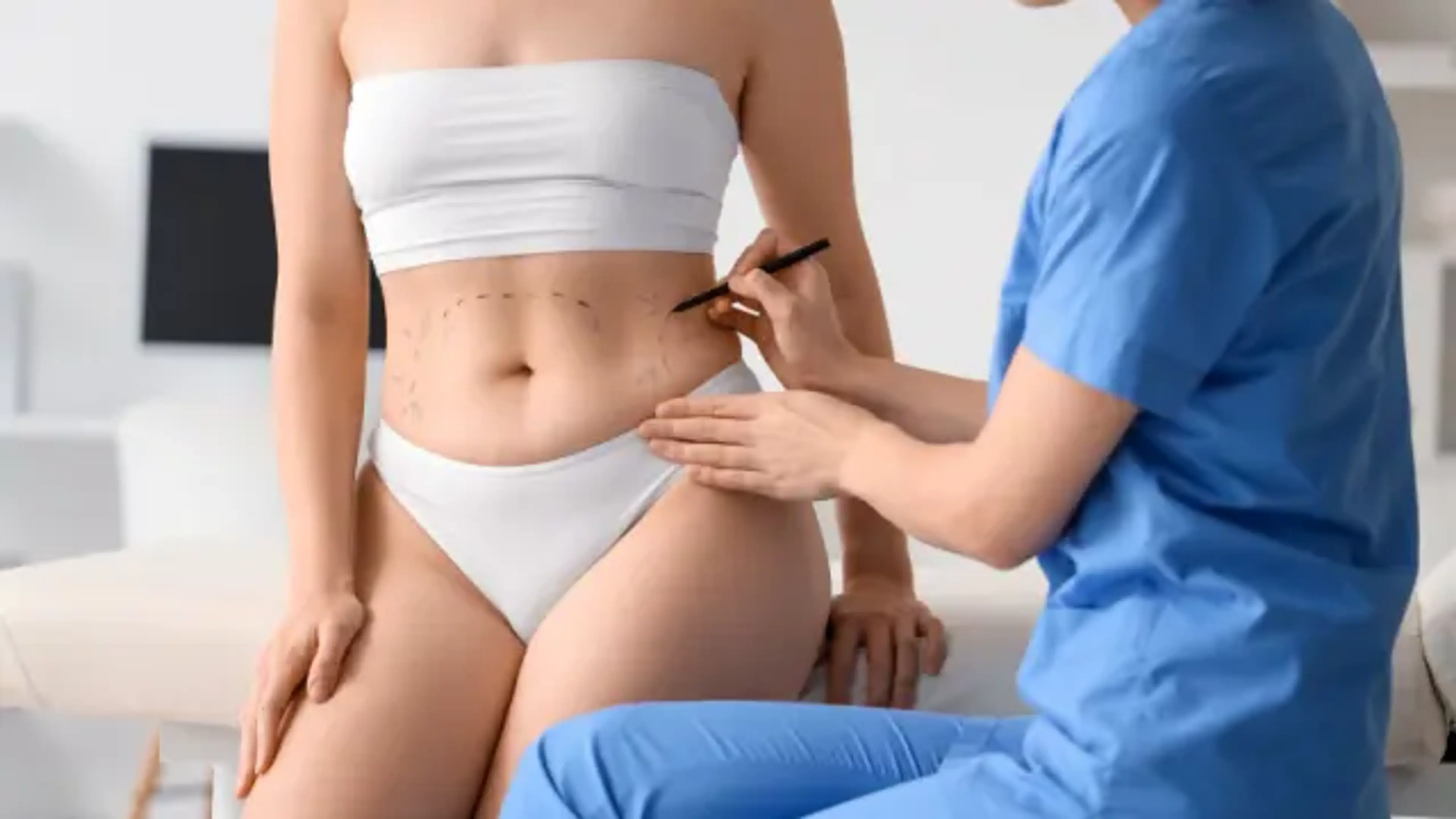
Liposuction removes localized fat deposits from areas such as the abdomen, flanks, thighs, and arms. SoonPlus offers VASER-assisted liposuction, which uses ultrasound to break down fat before removal in a gentler way on surrounding tissue, and precision body contouring.
Results are permanent fat removal; remaining fat deposits can grow if weight gain occurs.
Breast augmentation increases breast size and shape using implants such as silicone or saline. SoonPlus focuses on natural-looking proportions relative to body frame. Customized placement, whether subglandular or submuscular, is based on patient anatomy.
Breast lift raises and reshapes sagging breasts. It's often combined with augmentation.
Fat grafting to body transfers patient's own fat to buttocks (Brazilian Butt Lift) or other areas for natural augmentation.
Botox smooths dynamic wrinkles caused by facial muscle movement. Results are visible within 3–7 days and last 3–4 months. Areas treated include forehead lines, crow's feet, and frown lines between brows.
Dermal fillers add volume to address static wrinkles and hollow areas. Results are immediate; longevity varies by filler type, ranging from 3–12 months. Areas include nasolabial folds, marionette lines, lips, cheekbones, and under-eye hollowing.
Laser skin resurfacing uses laser energy to remove sun damage, age spots, and superficial scars. It stimulates collagen production for skin tightening and rejuvenation.
Chemical peels use chemical solution to exfoliate and resurface skin. They address age spots, acne scars, and uneven skin tone.
Professional facials and maintenance treatments support long-term skin health post-procedure.
Choosing the right procedure depends on your specific concern, anatomy, recovery tolerance, and budget. During your consultation, the surgeon will recommend the procedure most likely to achieve your goals.
Common combinations include rhinoplasty plus double eyelid surgery for facial harmony enhancement. SMAS facelift, neck lift, and forehead lift for comprehensive facial rejuvenation. Rhinoplasty plus fat grafting for structural refinement and volume restoration. Liposuction plus fat grafting for body contouring with fat redistribution.
Procedure | Recovery (Days) | Results Visibility | Longevity | Cost (SoonPlus) |
|---|---|---|---|---|
Rhinoplasty | 10–14 | 3 months | Permanent | $5,500–$7,000 |
Double Eyelid | 7–10 | Immediate | Permanent | $3,500–$4,500 |
SMAS Facelift | 12–14 | 3 months | 10–15 years | $10,000–$13,000 |
Liposuction | 7–10 | 3–6 months | Permanent* | $3,000–$4,500 |
Botox | 3–7 days | 3–7 days | 3–4 months | $300–$500 |
Fillers | 1–2 days | Immediate | 3–12 months | $400–$800 |
*Permanent if weight is maintained; new fat deposits can form with weight gain.
How to initiate: Visit the SoonPlus website and click "Book Consultation." Provide your name, age, procedure of interest, country, email, and phone. Choose consultation format: video consultation (recommended, via Zoom or WhatsApp, 30–45 minutes, free), email consultation (send photos and questions, receive detailed written response from surgeon), or in-person (if visiting Seoul, can be scheduled).
What to prepare: Bring 3–5 reference photos showing your goals. Provide a clear description of your concern: what bothers you about your appearance and what do you hope to change? Prepare a list of questions or concerns. Provide your medical history including relevant medications, allergies, and previous surgeries.
During consultation: The surgeon reviews your goals and examines your anatomy. They explain the recommended procedure or alternatives. They discuss realistic outcomes for your specific anatomy. They address your concerns and answer questions. They discuss timeline and cost.
After consultation: You receive a written quote with procedure details, cost breakdown, and payment schedule. You have 7–10 days to decide; no pressure. The surgeon is available to answer follow-up questions.
If you decide to proceed: Contact SoonPlus to confirm procedure and preferred date range. Pay a 30 percent deposit to secure your date (non-refundable if you cancel within 60 days; fully refundable if the clinic cancels). You receive a confirmation letter with surgery date, pre-op instructions, and payment schedule.
Deposit payment options: Bank wire transfer is preferred for larger amounts, secure and trackable, no currency conversion fees if using a multi-currency account. Processing time is 2–3 business days. Credit card (Visa, Mastercard, AMEX) is accepted; currency conversion fees of 1–3 percent may apply. International payment services such as TransferWise and OFX often offer better exchange rates than banks and take 1–2 business days.
Pre-operative preparation: You'll receive a detailed pre-op checklist listing medications to stop (typically blood thinners like aspirin or ibuprofen 1–2 weeks before surgery). Schedule any necessary blood work with your US doctor (can be done remotely). Arrange time off work, typically 2–4 weeks depending on procedure and job. Book flights and accommodation.
Two weeks before surgery: Check final medications; coordinate with your US doctor if needed. Confirm your flights and accommodation. Pack everything on the SoonPlus packing list. Review pre-op instructions one more time.
Arrival in Seoul: Airport pickup is available (optional; approximately $60). Check into your accommodation. Rest and acclimate to time zone; 24-hour jet lag is normal.
Day before surgery: Pre-op appointment at SoonPlus takes 2–3 hours. Final measurements and photo documentation occur. You'll meet the anesthesiologist. You'll meet your operating surgeon and confirm they will perform your surgery. You'll sign surgical consent forms and confirm surgery time and location. Evening: Light dinner, then fasting for 8 hours before surgery as instructed.
Surgery day: Arrive at SoonPlus 1–2 hours before scheduled surgery time. Check in and change into surgical gown. Meet your surgeon one more time. The anesthesiologist places an IV; surgery begins. One to three hours later, depending on procedure, surgery is complete and you wake in the recovery room. Two to four hours later: Discharge to recovery accommodation with coordinator support.
In Seoul (10–14 days): Daily coordinator check-ins occur. Post-op appointments at SoonPlus happen on specific days. Follow recovery protocol including rest, medication, and elevation. Receive clear instructions for returning home.
Returning to USA: Virtual consultation with SoonPlus happens at two weeks, six weeks, three months, and six months. You receive a medical summary letter to share with your US doctor. 24/7 emergency contact is available if any concerns arise.
Long-term support: Annual virtual check-ins continue. You're eligible for follow-up procedures at discounted rates. You have access to SoonPlus surgeon consultation for any post-operative questions.
📞 Phone: +8225471705
📍 Location: 12th and 13th Floors, Mulberry Hills Medical Tower, 589 Gangnam-daero, Seocho-gu, Seoul, South Korea
🗣️ Languages: English, Korean
🕐 Hours: The clinic operates from Monday to Friday between 10:00 AM and 7:00 PM, and on Saturday from 10:00 AM to 4:00 PM. The clinic remains closed on Sundays.
Plastic surgery in Korea is a legitimate, safe option for American patients who choose the right clinic and surgeon. Seoul has earned its reputation as the global cosmetic surgery capital not because it's cheaper, but because it's excellent. High volume plus deep specialization equals superior outcomes.
The most important factors in your decision are surgeon specialization, diverse before and after galleries, safety record with verified credentials and low revision rates, personal surgeon communication, transparent post-return support with a clear protocol, and international patient infrastructure including English-speaking coordinators and 24/7 contact.
All six of these factors are hallmarks of SoonPlus Plastic Surgery. Making the decision to have cosmetic surgery is significant. The investment in your appearance is also an investment in your confidence and peace of mind. Thousands of American patients have traveled to Seoul for plastic surgery in Korea and returned home delighted with their results. SoonPlus has treated 5,000+ international patients with a 98 percent satisfaction rate and a less than 2 percent revision rate. You're not taking an unusual risk; you're joining a large, thriving community of Americans who have made this decision and come away transformed not just physically, but in their confidence and sense of agency over their own appearance.
There's no obligation to proceed. Many patients consult with multiple clinics before deciding. We welcome this due diligence; it means you'll make an informed choice.
Director, SoonPlus Plastic Surgery, Seocho-gu, Seoul, South Korea
10 plus years specialized experience in facial rejuvenation, lifting procedures, and revision cosmetic surgery 800 plus aesthetic surgeries performed annually Medical degree: Leading South Korean Medical University Member: Korean Society of Plastic and Reconstructive Surgeons, International Society of Aesthetic Plastic Surgery Subspecialization: Advanced facelift techniques (SMAS facelift, forehead lift, neck lift, revision surgery) International Patient Consultations: Available via video call or in-person at SoonPlus Plastic Surgery
Senior Surgeon, SoonPlus Plastic Surgery, Seocho-gu, Seoul, South Korea
10 plus years specialized experience in body contouring and anti aging surgery high volume procedures including liposuction, breast augmentation, and breast lift Medical degree: Recognized South Korean Medical Institution Member: Korean Society of Plastic and Reconstructive Surgeons, Korean Aesthetic Plastic Surgery Society Subspecialization: Body contouring, breast surgery, anti aging procedures International Patient Consultations: Available for global patients via online or in-person consultations
Aesthetic Specialist, SoonPlus Plastic Surgery, Seocho-gu, Seoul, South Korea
10 plus years specialized experience in facial aesthetic procedures and refinement techniques expertise in double eyelid surgery, blepharoplasty, and ptosis correction Medical degree: South Korean Medical University Member: Korean Society of Plastic and Reconstructive Surgeons Subspecialization: Facial refinement techniques, minimally invasive procedures, Botox and fillers International Patient Consultations: Available via virtual consultation or clinic visits
Rhinoplasty Specialist, SoonPlus Plastic Surgery, Seocho-gu, Seoul, South Korea
10 plus years specialized experience in rhinoplasty and facial contouring advanced expertise in primary and revision nose surgery Medical degree: Leading South Korean Medical University Member: Korean Society of Plastic and Reconstructive Surgeons Subspecialization: Rhinoplasty, revision rhinoplasty, facial contouring techniques International Patient Consultations: Available for USA based and international patients via video or in-person consultations